City Valletta, Malta
Cats in Valletta and Sliema
An island with an estimated 350,000 stray cats, a thousand registered feeders, a cat village in a public garden, and a fifty-euro fine for feeding without a licence. Where to find them, and how to do it legally.
Where to find cats in Valletta and Sliema: Valletta, the capital, and Sliema across the harbour, where the seafront gardens have been given over to the cats. When: Early morning and dusk, when the feeders come. Spring and autumn. Summer is hot enough that the cats do not move. Why here: More stray cats per square kilometre than anywhere in Europe, and a whole country improvising how to look after them.
The short version
- Where
- Valletta, the capital, and Sliema across the harbour, where the seafront gardens have been given over to the cats
- When
- Early morning and dusk, when the feeders come. Spring and autumn. Summer is hot enough that the cats do not move
- How long
- A morning in Valletta, an afternoon on the Sliema seafront, and the ferry between them
- What it costs
- Free, apart from the ferry. Do not feed unless you are registered; the fine is fifty euros
- Why here
- More stray cats per square kilometre than anywhere in Europe, and a whole country improvising how to look after them
What to bring
- Money, not foodFeeding in public without registering with the council is fined. Give to a feeder or a sanctuary instead; they are registered and they are short.
- The ferry timetableValletta to Sliema is a ten-minute boat across Marsamxett harbour, and the best ten minutes of the day.
- Shoes for Valletta’s stepsThe capital is a grid of streets that turn into staircases. The cats are on the stairs.
- Water in summerFor you. The cats have theirs; the feeders see to it. You will not.
Why there are cats everywhere
Malta has, by the lowest estimate, 350,000 stray cats, and a thousand people who feed them every day.
There is no official programme. There is, instead, a network of more than a thousand individual feeders across Malta and Gozo who put food out daily, get cats neutered at their own expense, and run the shelters, and a handful of small charities behind them. The government’s contribution, in recent years, has been to require feeders to register with their local council and to fine anyone feeding in public without registering, fifty euros, which was meant to control the mess and has mostly controlled the feeders.
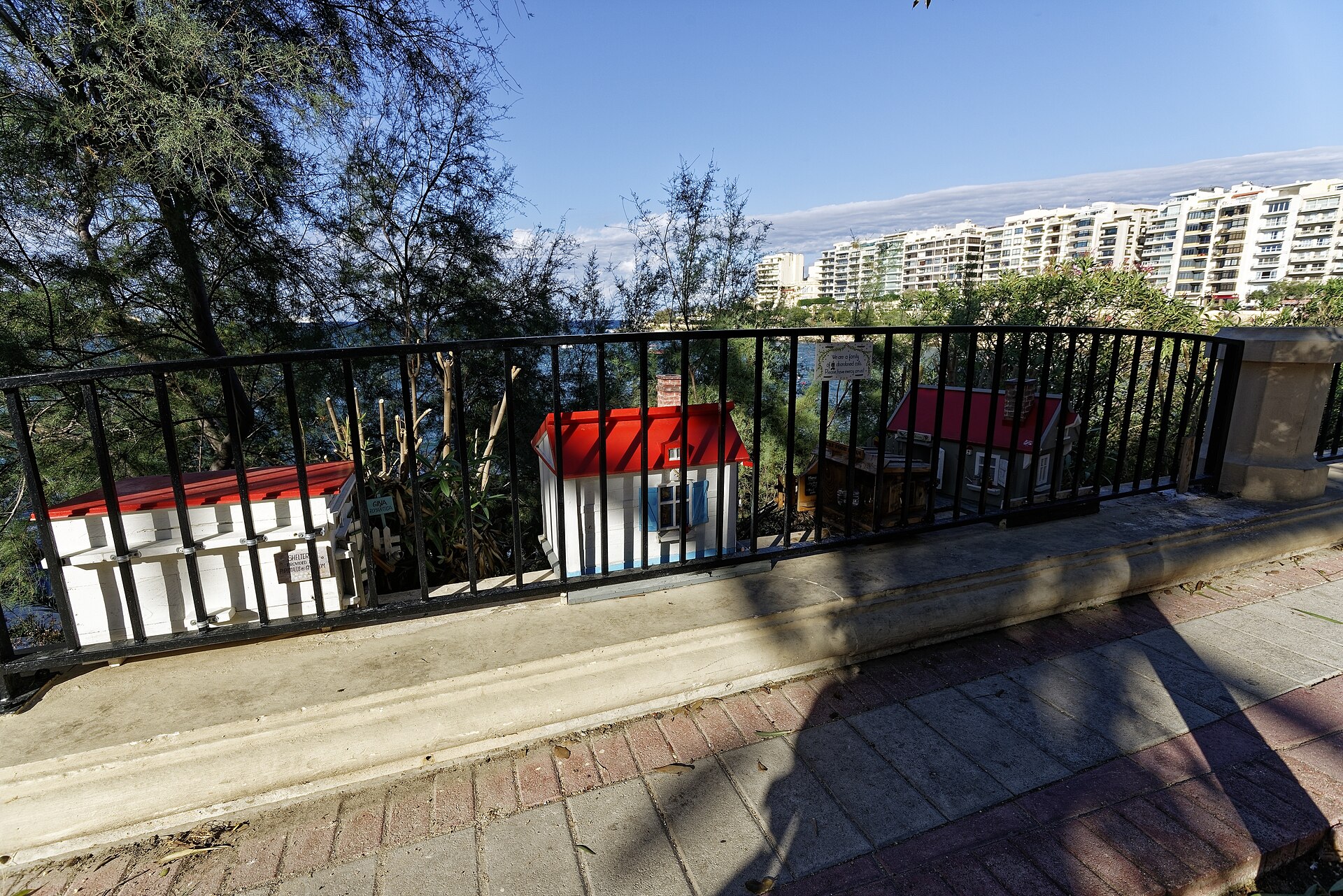
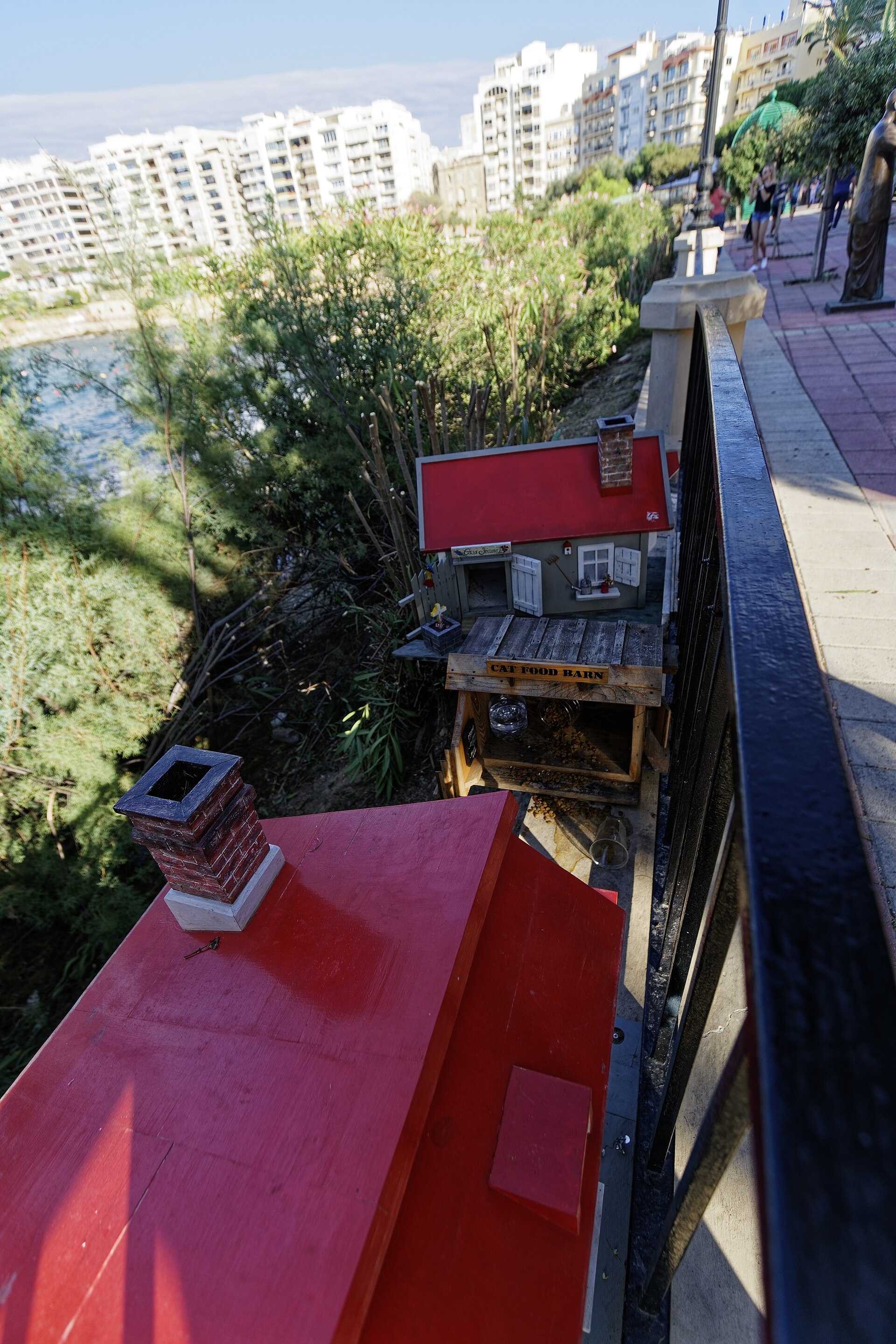
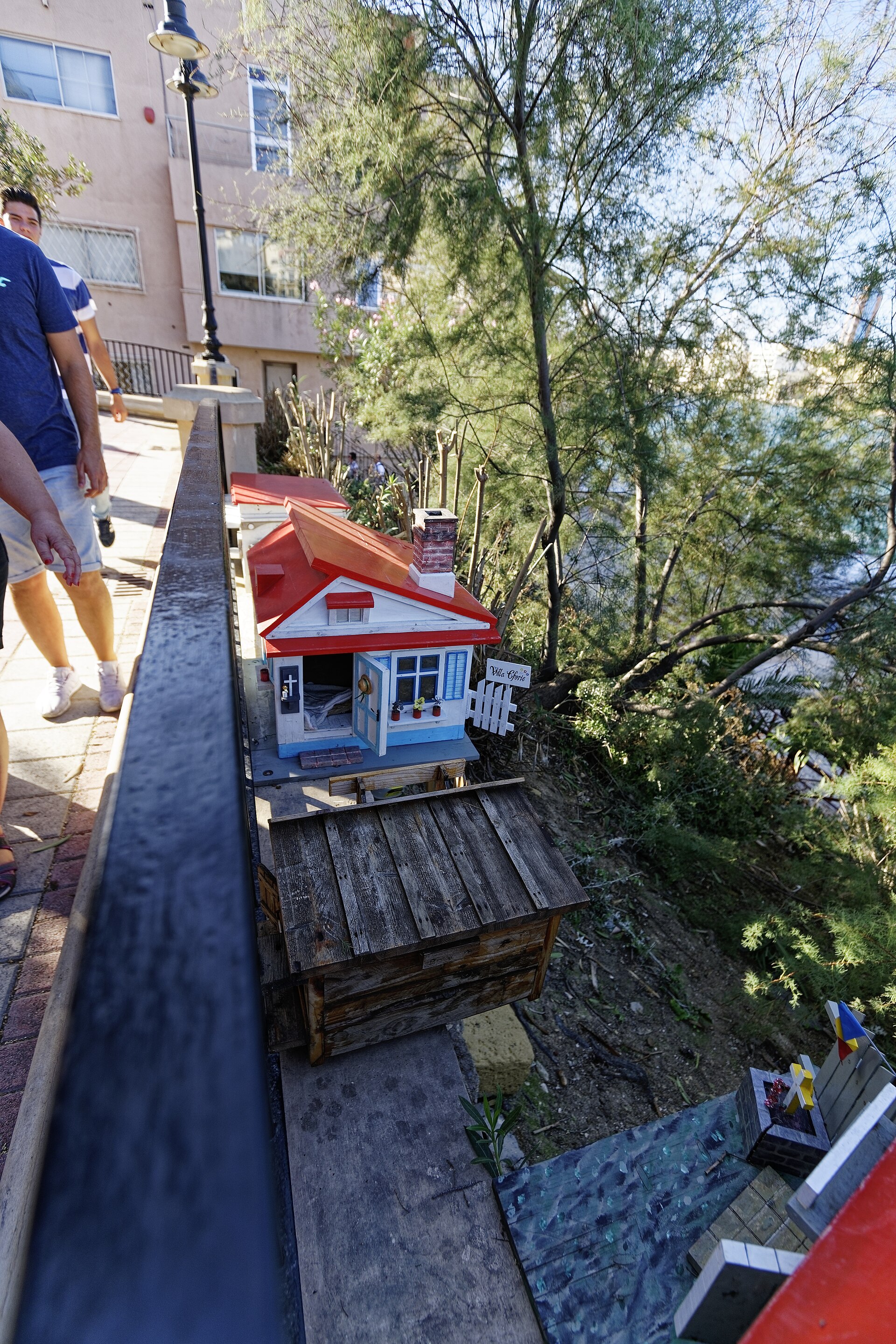
What that has produced, in the two towns that matter to a visitor, is a visible cat infrastructure. In Sliema, on the seafront along Tower Road, a stretch of public garden has been taken over as a cat village: painted wooden shelters, feeding stations, and a colony that has been there for years and is looked after by people who have made it their life’s work. In Independence Garden, further along, the feeders lowered the roof of a gazebo and wrapped it in plastic to make a winter shelter. Across the harbour in Valletta, the cats are on the stairs of the steep side streets, in the Upper Barrakka gardens, and on the bastions.
It is a country working out, in public, what it owes its cats, and doing it with more heart than budget. The cats you will meet are well fed and mostly neutered because of individuals, not policy, and the right thing to do as a visitor is to put money where the individuals are.
The walk
Valletta first, from the City Gate down the stairs to the Upper Barrakka and the harbour; then the ferry to Sliema and the seafront to the cat village. A day, with a boat in the middle.
- From Malta airportBus X4 to Valletta30 minStraight to the City Gate. A taxi is faster and the fares are fixed.
- From VallettaFerry to Sliema10 minFrom the Marsamxett side, every half hour. The best way across and the best view of the capital.
- From Sliema FerriesWalk along the seafront to Tower Road20 minFlat, along the water, past Independence Garden to the cat village.
City Gate and the side streets
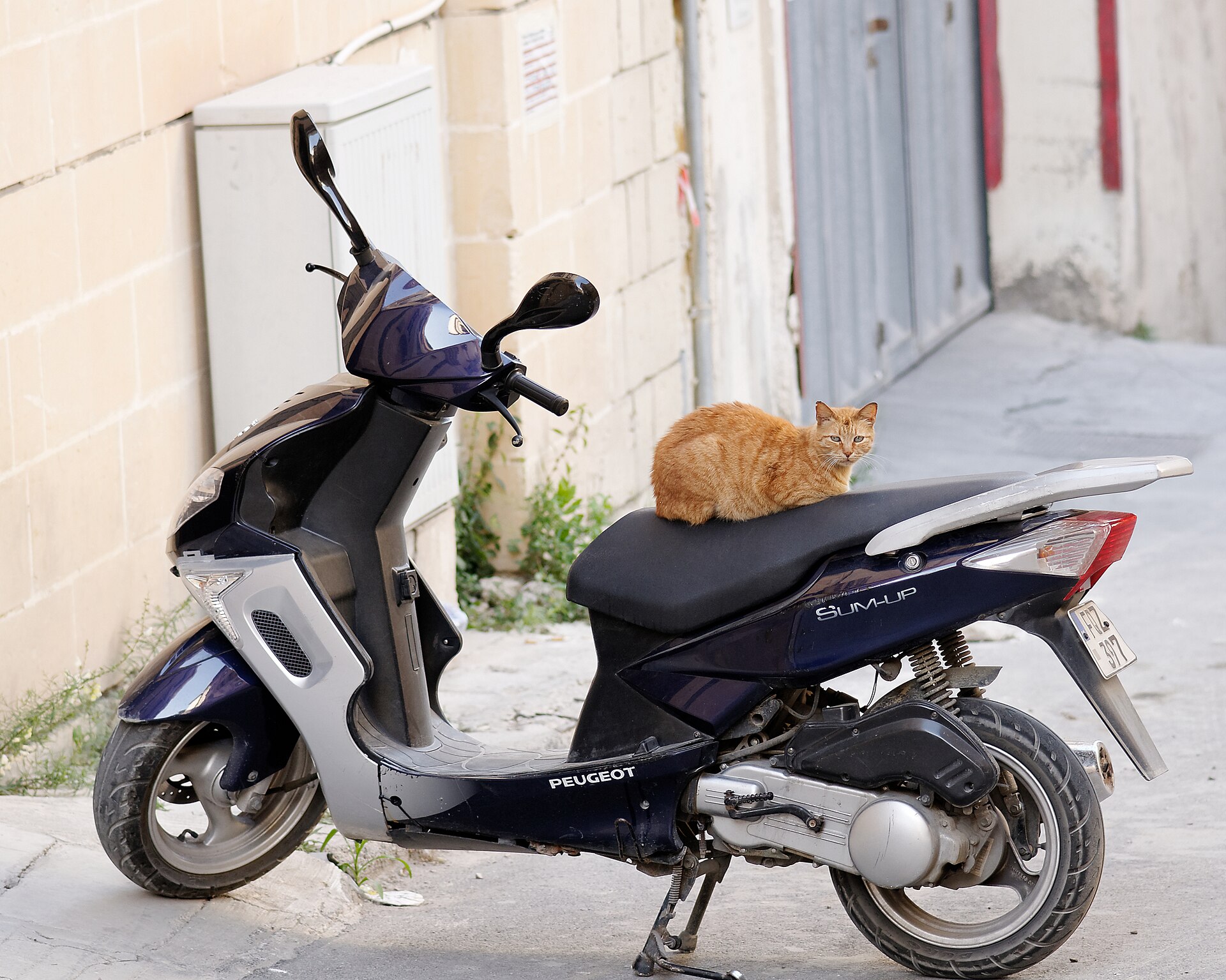
Through the gate and off Republic Street into any side street: they drop towards the harbours in flights of stairs, and the cats are on the landings in the sun. St Ursula and St Lucia streets are good.
A Valletta side street. Stairs, limestone, cat.Marie-Lan Nguyen, CC BY 2.5 Upper Barrakka Gardens
The gardens on the bastion above the Grand Harbour, with the view and the noon gun. Cats in the flowerbeds and on the walls, fed by the gardeners and everybody else.
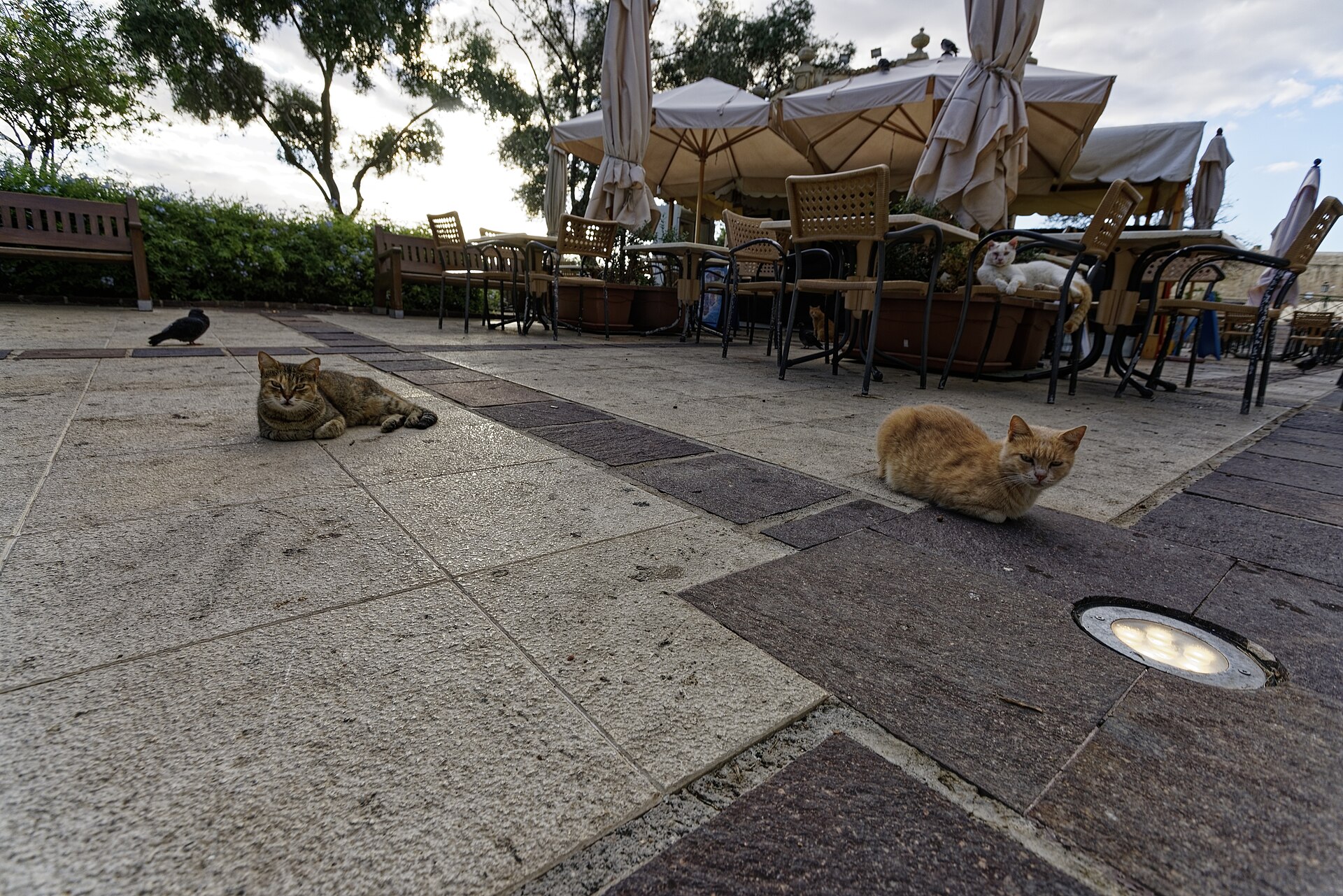
The Barrakka. Cats in the beds, harbour behind.Txllxt TxllxT, CC BY-SA 4.0 The ferry to Sliema
Down to the Marsamxett side and the ferry across to Sliema, ten minutes, with Valletta’s skyline behind you. Off the boat at the Ferries and turn left along the front.
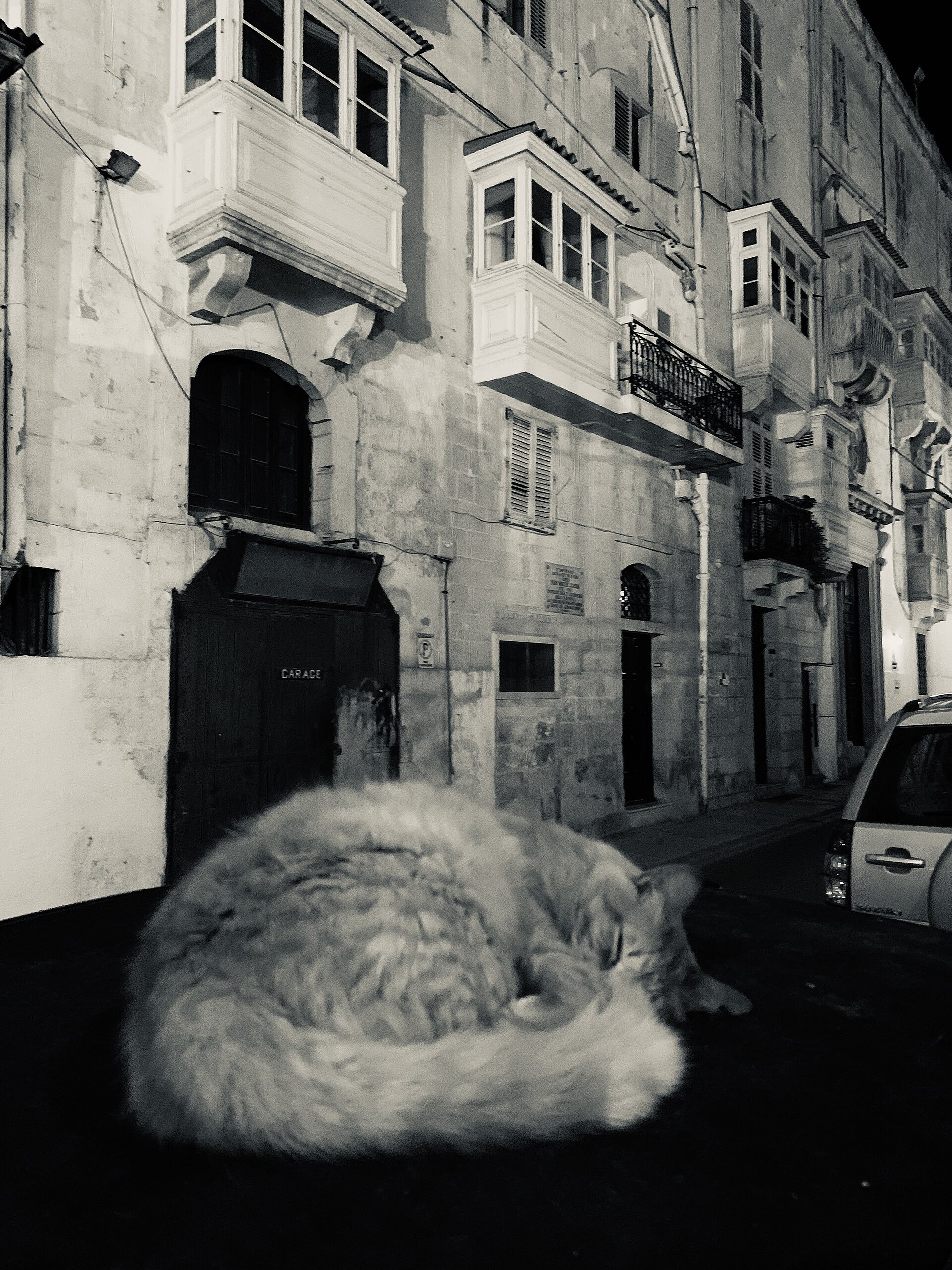
Valletta after dark, when the stairs are theirs.Angie Balzan, CC BY-SA 4.0 Independence Garden
Along the Sliema seafront to the garden with the gazebo the feeders turned into a winter shelter. Cats around it in the evening when the feeding happens. Watch; do not join in unless you are registered.
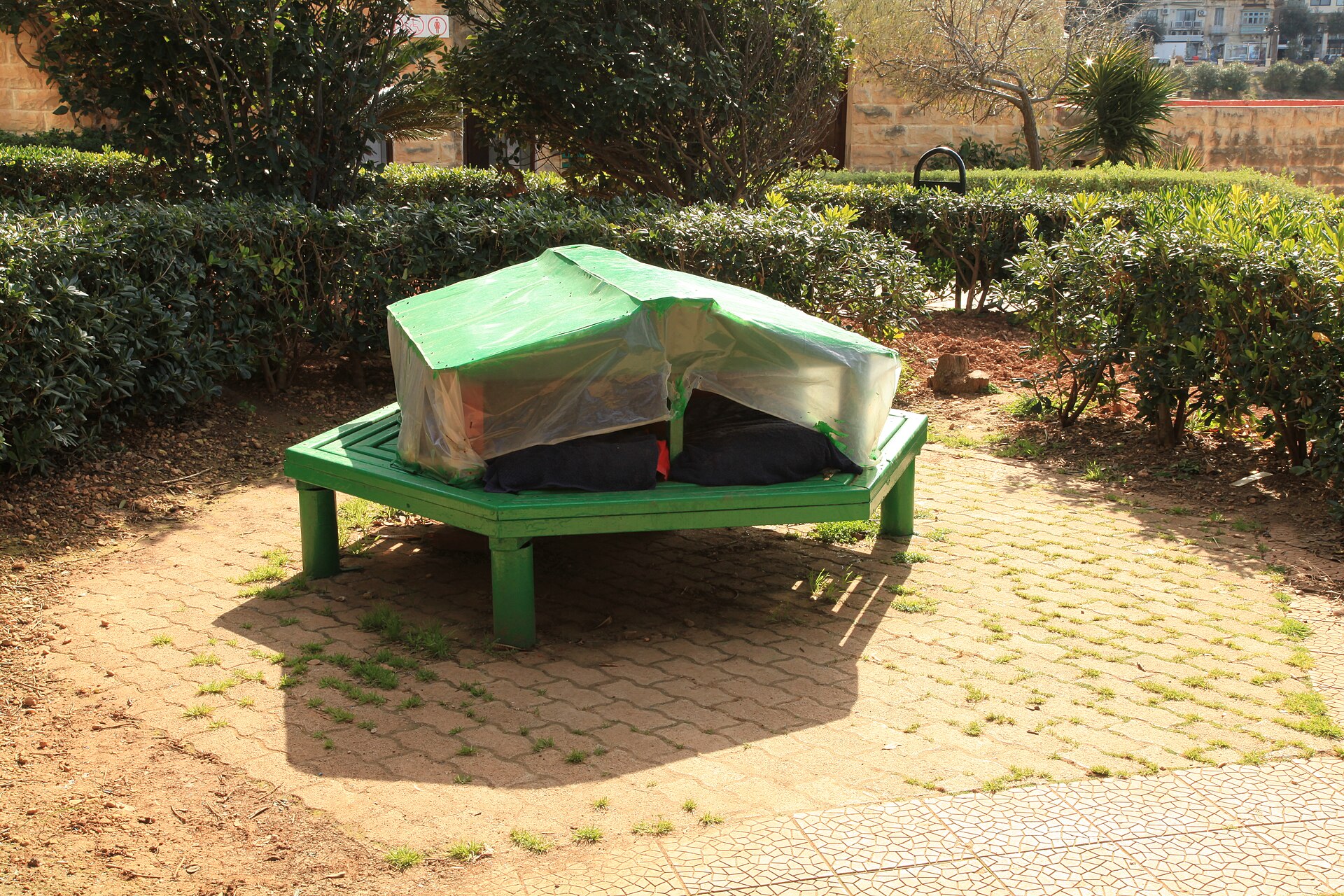
Independence Garden. The gazebo is a cat house in winter.Frank Vincentz, CC BY-SA 3.0 The cat village, Tower Road
Further along the front towards St Julian’s, the cat village: painted shelters, feeding points, and a colony that has been on this stretch of seafront garden for years. The best-known cat place on the island. Sit on the wall.
The village. Painted houses, named cats, and a wall to sit on.Txllxt TxllxT, CC BY-SA 4.0
Same numbers as the list. Worth keeping open on your phone.
The cats you will meet
Mediterranean strays in enormous numbers: tabbies, gingers, tortoiseshells, a lot of white. Sociable in the gardens where they are fed, wary on the streets. Neutered where a feeder has paid for it, which in Valletta and Sliema is most of them.
Stair cats
On the landings of Valletta’s side streets.
Limestone holds the heat. They know which step.
Garden cats
In the flowerbeds of the Barrakka and Independence Garden.
Fed by registered feeders at fixed times. Watch the ritual.
Village cats
Around the painted shelters on Tower Road.
Named, known and fed. The island’s most photographed colony.
Everybody says Malta looks after its strays.
Actually Maltese people do, a thousand of them, at their own expense, under a registration rule with a fine attached. There is no national programme worth the name. The cats you see are well because of individuals. That is where your money should go.
How not to be the annoying one
- Do not feed in public unless you are registered with the council. The fine is fifty euros and the feeders resent it more than you will.
- Give money to a feeder or a sanctuary. Ask at the cat village; they will tell you who.
- The shelters are homes. Look in; do not reach in.
- Feeding happens at fixed times in fixed places. If you see it, watch from a distance. The cats are working.
- In summer, the cats do not move between noon and five. Neither should you.