City Nagasaki, Japan
Cats in Nagasaki
The port that was Japan’s only window on the world for two centuries, and the city where most of the cats have a kink in the tail. The Dutch ships brought them, the hills kept them, and a local society counts them.
Where to find cats in Nagasaki: Nagasaki, on the west coast of Kyushu: the old port around Dejima and Chinatown, and the hillside foreign settlement around Glover Garden and Oura. When: Late afternoon, when the hillside lanes are in shade and the cats come out. Spring and autumn; the summer is humid. Why here: The city where the cats’ tails tell the story of the port.
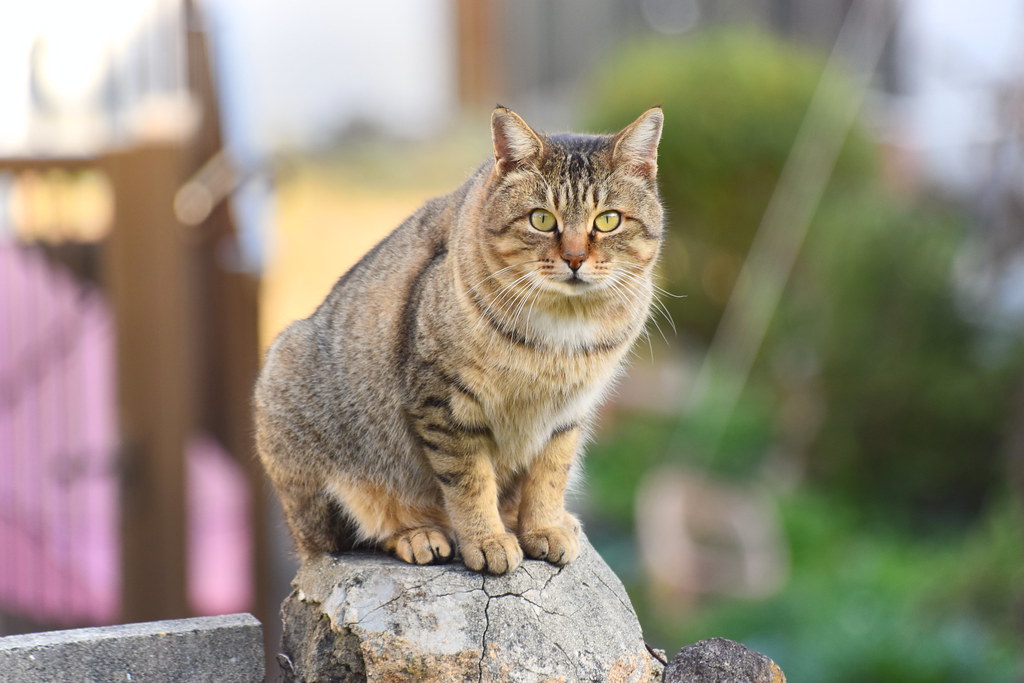
The short version
- Where
- Nagasaki, on the west coast of Kyushu: the old port around Dejima and Chinatown, and the hillside foreign settlement around Glover Garden and Oura
- When
- Late afternoon, when the hillside lanes are in shade and the cats come out. Spring and autumn; the summer is humid
- How long
- A day. The hills are steep and the stops are spread out
- What it costs
- Glover Garden and Dejima have tickets. The lanes and the cats are free
- Why here
- The city where the cats’ tails tell the story of the port
What to bring
- Legs for the hillsNagasaki is built on slopes and the old foreign settlement is stairs. The cats live on the stairs.
- Late afternoonThe hillside lanes of Minamiyamate are hot until four and full of cats after.
- An eye for tailsMost Nagasaki cats have a bent, kinked or bobbed tail. Counting them is the local sport.
- A tram passThe trams are the way round the city, and the cheapest transport in Japan.
Why there are cats everywhere
Look at the tails. Most of the cats in Nagasaki have a kink, a bend or a bob, and it is the port’s history written on the animal.
For over two hundred years, while Japan was closed, Nagasaki was the one door: the Dutch on the artificial island of Dejima, the Chinese in their quarter, and the ships from Batavia and Canton that came in and out of the harbour with the trade. Ships have cats, and the cats of the Dutch East India Company, which had picked up a bent-tail gene in Southeast Asia, got off in Nagasaki and stayed. The gene spread through the city’s cats, and it is still there: a local society that counts them reckons that most of Nagasaki’s cats have some kink in the tail, far more than anywhere else in Japan.
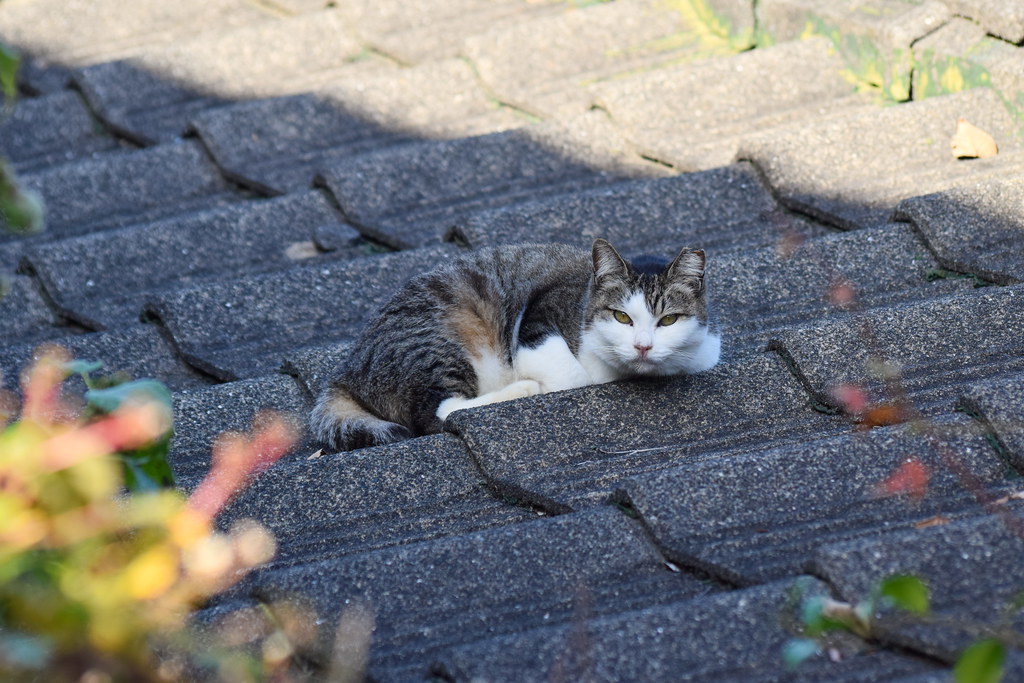
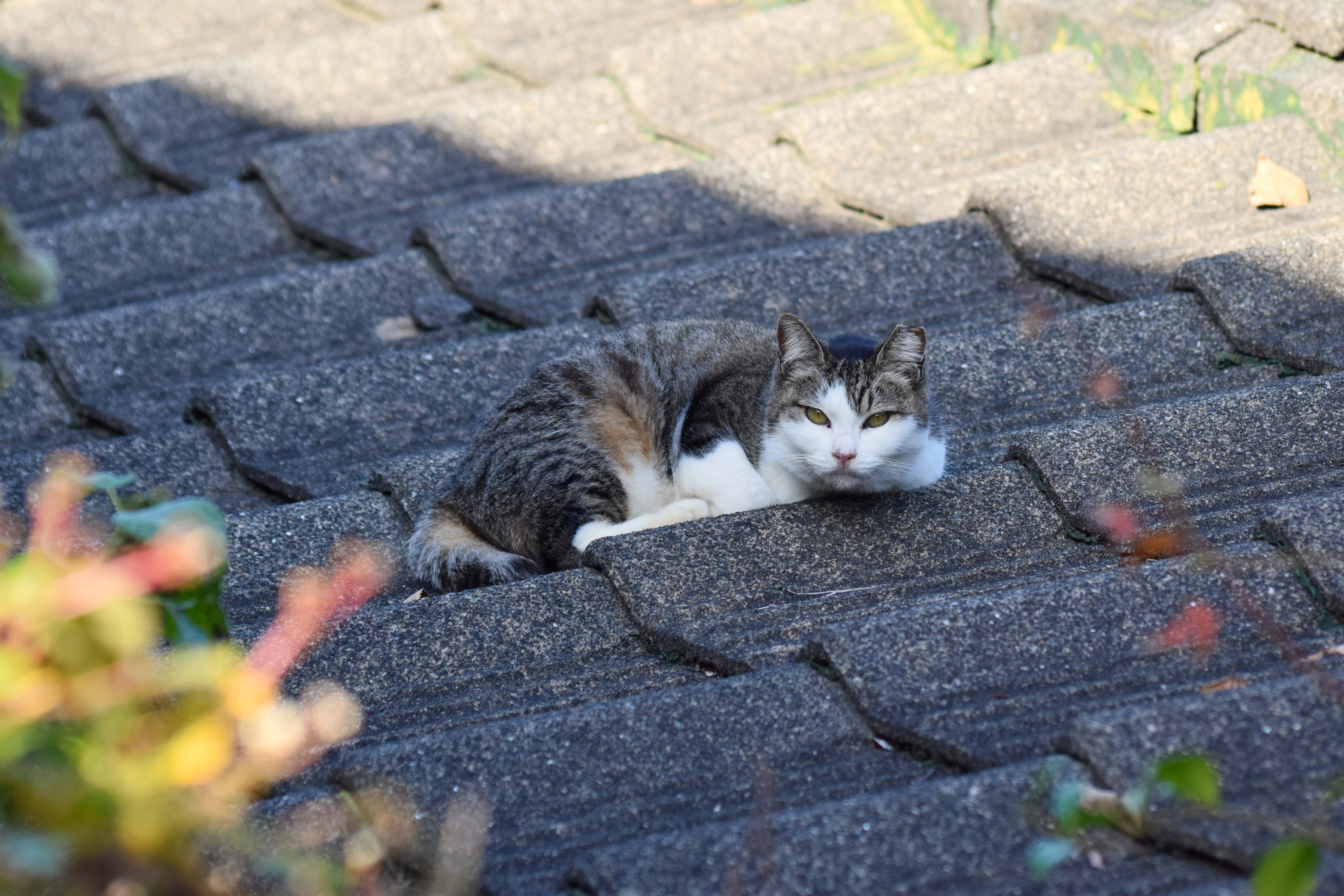
That is the story, and it is a good one, and the Nagasaki Cat Society, a group of enthusiasts who survey the city’s cats and their tails, will tell it to you in detail. The cats themselves are where cats are in a hilly port: on the stone steps of the old foreign settlement above Oura, around the temples of Teramachi, in Chinatown at the back doors of the restaurants, and on the tiled roofs, which in Nagasaki step down the hills so that a cat on one roof is at eye level from the lane above.
The city has the Peace Park and the atomic bomb museum, which you should visit, and the church at Oura, and Glover Garden with its Victorian houses and its view of the harbour. The cats are on the steps between all of these, with their tails, and once you have started looking at the tails you will not stop.
The walk
From Dejima through Chinatown, then the tram south to Oura and up through the stone lanes of the old settlement to Glover Garden. A day, with the tails.
- From Nagasaki airportBus to Nagasaki station45 minThe airport is out on the bay. The limousine bus is direct.
- From Fukuoka or HakataKamome shinkansen and relay to Nagasaki90 minThe new line makes Nagasaki a day trip from Fukuoka, though it deserves a night.
- From Nagasaki stationTram to Dejima or Oura10 minThe trams go everywhere on this page. Buy the day pass.
Dejima
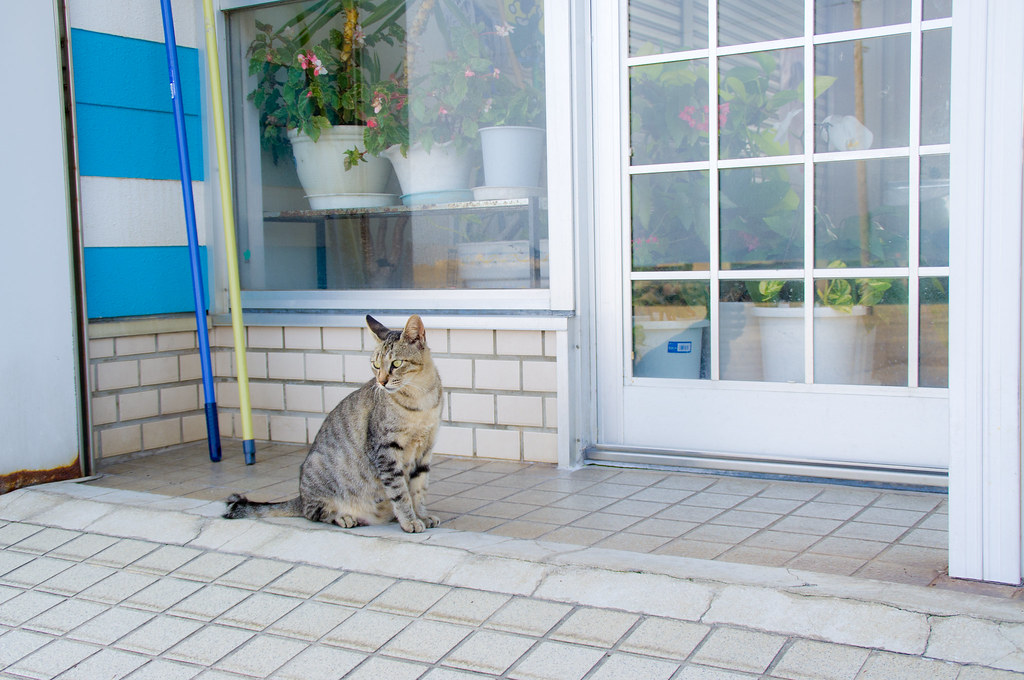
The reconstructed Dutch trading island, once the only place a foreigner could stand in Japan. Ticket at the gate. The cats came through here; the ones you see now are around the gardens outside.
Outside a shop by the old port. A descendant of the trade.nachans, CC BY 2.0 Shinchi Chinatown
The oldest Chinatown in Japan, a few blocks from Dejima, with the champon noodle shops and the cats at their back doors. Lunch here, and look down the service lanes.
Chinatown side. The restaurants feed them at the back.Raita Futo from Tokyo, Japan, CC BY 2.0 Oura Church
Tram south to Oura and up the slope to the oldest church in Japan, built for the foreign settlement in 1864. Cats on the stone steps of the lanes around it, which is where the settlement’s cats have always been.
The settlement lanes. Stone steps, stepped roofs, and tails.Raita Futo from Tokyo, Japan, CC BY 2.0 Glover Garden
Up the escalators to the hillside park of Victorian merchants’ houses with the harbour below. Ticket. Cats in the gardens, and the best view in the city from the top.
In the hills above the harbour, where the merchants built and the cats stayed.雷太, CC BY 2.0
Same numbers as the list. Worth keeping open on your phone.
The cats you will meet
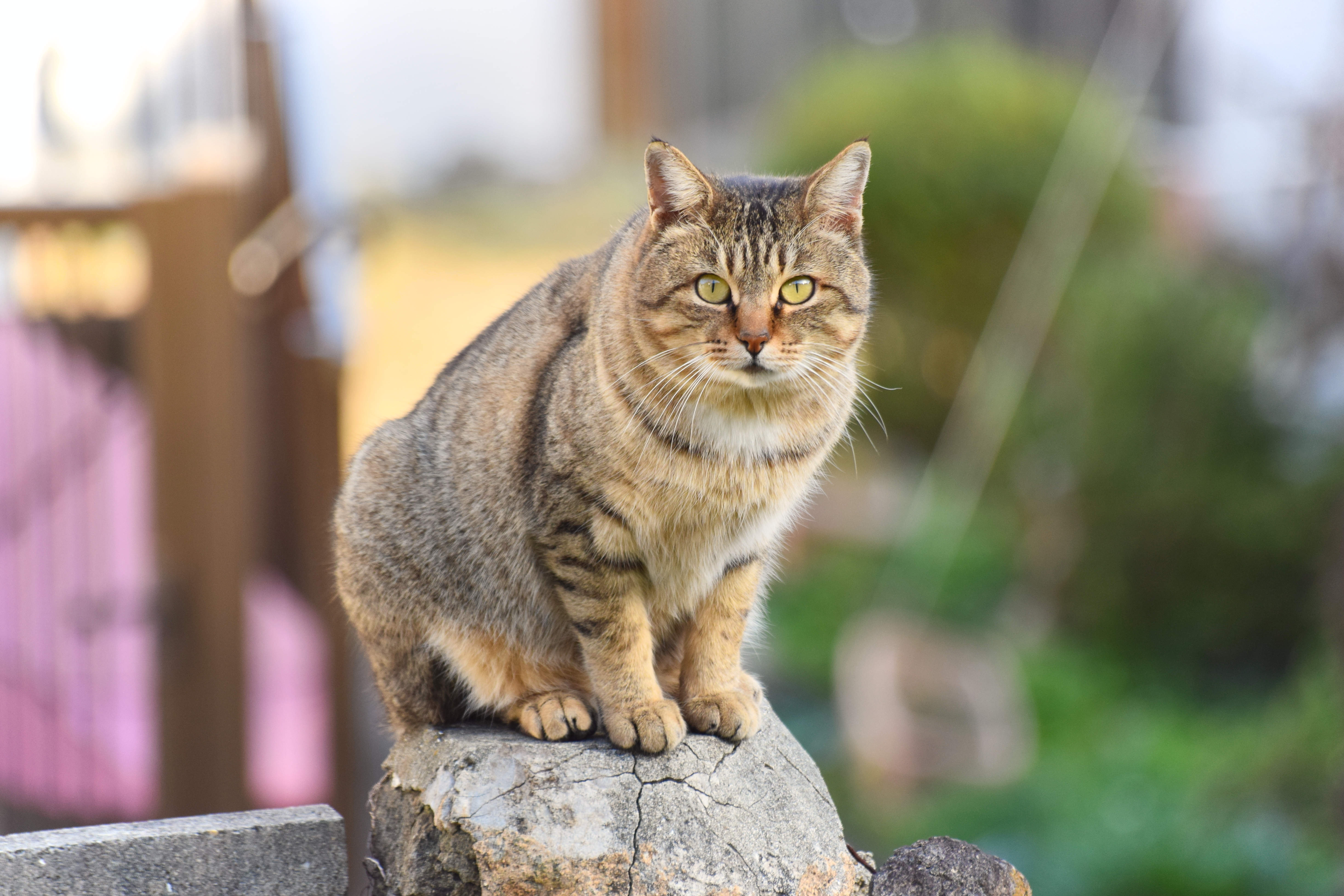
Japanese port cats, many with the bent, kinked or bobbed tail that the Dutch ships brought: tabby and calico and white, short-coated, fed by residents and restaurants, and comfortable on stone steps and tiled roofs. Sociable in the settlement lanes, quicker in Chinatown.
Bent-tails
A kink, a hook or a stub where the tail should end.
The majority here. The society counts them.
Roof cats
On the stepped tile roofs at lane level.
Eye to eye from the stairs above. Do not reach.
Step cats
On the stone stairs of the old settlement.
Fed by the houses. Let them pass.
Everybody says The bent tails are from injuries.
Actually They are genetic, the same gene as the Japanese Bobtail, and they came ashore with the ships’ cats of the trading companies. A bent-tail kitten is born that way. It is the port’s history in the animal.
How not to be the annoying one
- The settlement lanes are residential. Photograph the cat, not the doorway.
- Do not feed on the steps. The households do, and the crows take what is left.
- The roofs are not for reaching onto. The cat is at eye level; leave it there.
- The Peace Park and the museum are why most people come. Go, and be quiet there.
- Count the tails. Tell the society. They want to know.