Landmark Rome, Italy
Cats in The Non-Catholic Cemetery
Keats and Shelley, a Roman pyramid, four thousand graves under cypresses, and a colony of cats with its own volunteers. Free, quiet, and the most beautiful place to sit down in Rome.
Where to find cats in The Non-Catholic Cemetery: Via Caio Cestio, in Testaccio, beside the Pyramid of Cestius and the Piramide metro station. When: Monday to Saturday nine to five, last entry half past four. Sundays and holidays nine to one. Morning, for the light through the cypresses. Why here: The only cemetery in Rome where the cats have volunteers, a poet has a grave without a name, and a pyramid is the neighbour.
The short version
- Where
- Via Caio Cestio, in Testaccio, beside the Pyramid of Cestius and the Piramide metro station
- When
- Monday to Saturday nine to five, last entry half past four. Sundays and holidays nine to one. Morning, for the light through the cypresses
- How long
- An hour. Two if you sit on the bench by Keats and let a cat find you
- What it costs
- Free. There is a donation box at the gate, and the cemetery gets no public money
- Why here
- The only cemetery in Rome where the cats have volunteers, a poet has a grave without a name, and a pyramid is the neighbour
What to bring
- Euros for the boxThe cemetery is private and gets nothing from the state. The box at the gate pays the gardeners and, indirectly, the cats.
- A weekday morningSunday closes at one. Weekdays give you the whole morning and the light through the trees.
- Nothing for the catsThe colony has its own volunteers. A visitor with a bag of biscuits is a problem they have solved before.
- Keats, if you have himRead the epitaph at his grave, the one he asked for. Then sit down. The cats know the bench.
Why there are cats everywhere
The cats of the Non-Catholic Cemetery have had a colony here longer than most of Rome’s living residents.
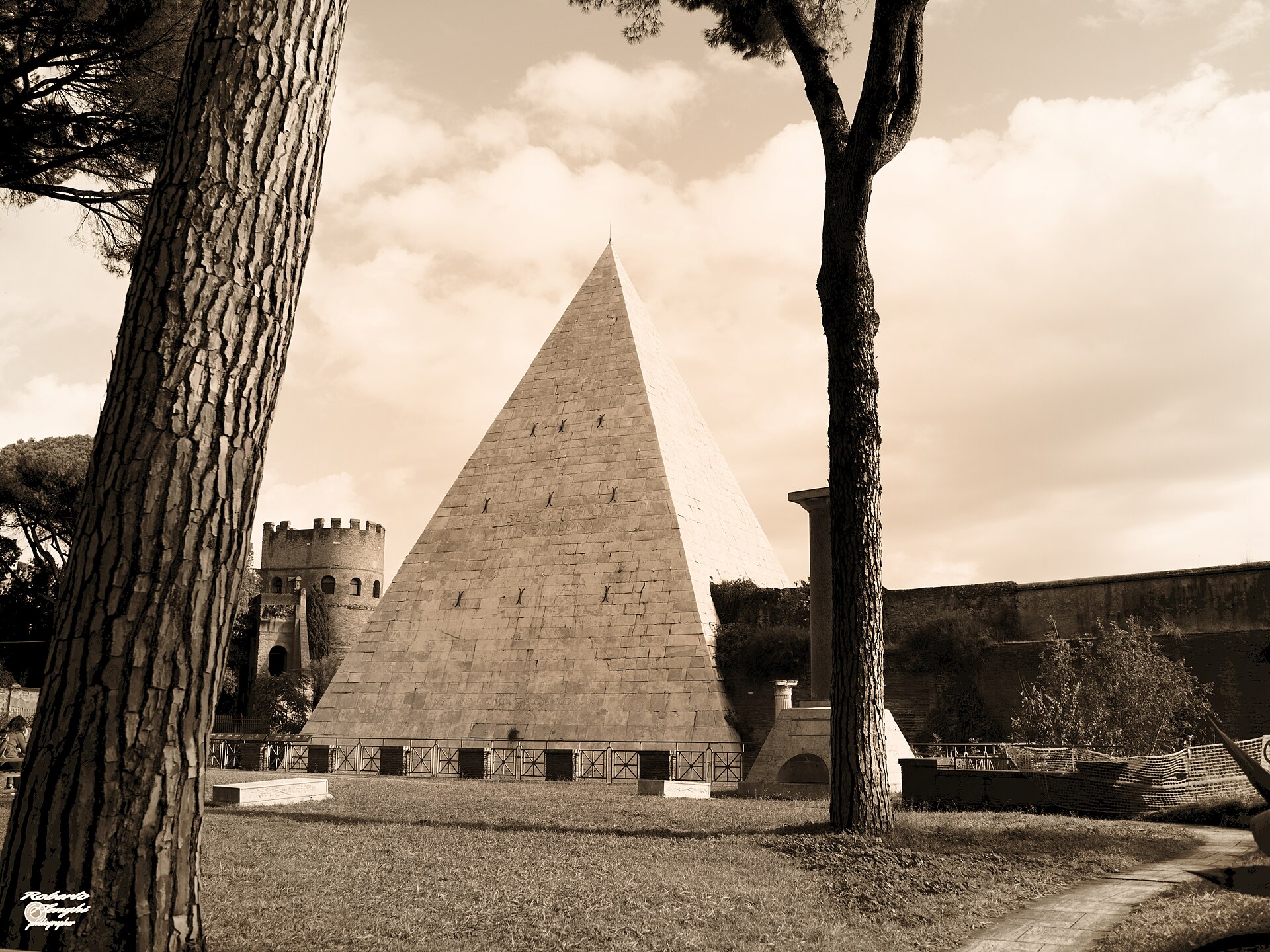
It was a graveyard for foreigners: Protestants, Orthodox, Jews, anyone who died in Rome and could not be buried in Catholic ground. Established in 1738 against the ancient city wall, next to the tomb of a Roman magistrate that happens to be a thirty-six-metre pyramid, it filled over three centuries with about four thousand graves, and among them the ones people come for: John Keats, who died in Rome of tuberculosis in 1821 at twenty-five and asked for no name on his stone; Percy Bysshe Shelley, drowned off Tuscany the year after, whose ashes are here; Gramsci; the son of Goethe.
It is also, and has been for as long as anyone remembers, a cat colony. Cemeteries in Rome are: they are walled, green, quiet, and full of warm stone, and the city’s law protects the colonies that form in them. This one has its own group of volunteers who feed and neuter the cats, and a small cats’ corner by the pyramid wall with shelters, and the cats themselves stroll the paths under the cypresses with the composure of animals who have never been asked to leave anywhere.
One of them, Romeo, has his own grave. It is by the wall and people leave things on it.
The cemetery is run privately, on donations and the fees of the families whose people are here, and takes nothing from the state. Ring the bell at the gate on Via Caio Cestio, put something in the box, and go in. It is the quietest hour you will have in Rome.
The walk
From the metro to the pyramid, in at the gate, to Keats, to Shelley, and to the cats’ corner by the wall. An hour, and a slow one, on gravel under trees.
- From Anywhere on metro line BTo Piramide10 minThe station is named for the pyramid and comes out beside it. Two stops from the Colosseum.
- From TrastevereTram 3 or 8 towards Piramide15 minOr walk over the river; twenty minutes through Testaccio.
- From Torre ArgentinaBus 30 or 130 to Piramide20 minThe other cat colony. Do both in a day; they are on the same bus.
The Pyramid of Cestius
Out of the metro and there it is: a Roman pyramid, built in about 12 BC as a tomb for a magistrate, later swallowed by the city wall. The cemetery is behind it. Walk round to Via Caio Cestio.
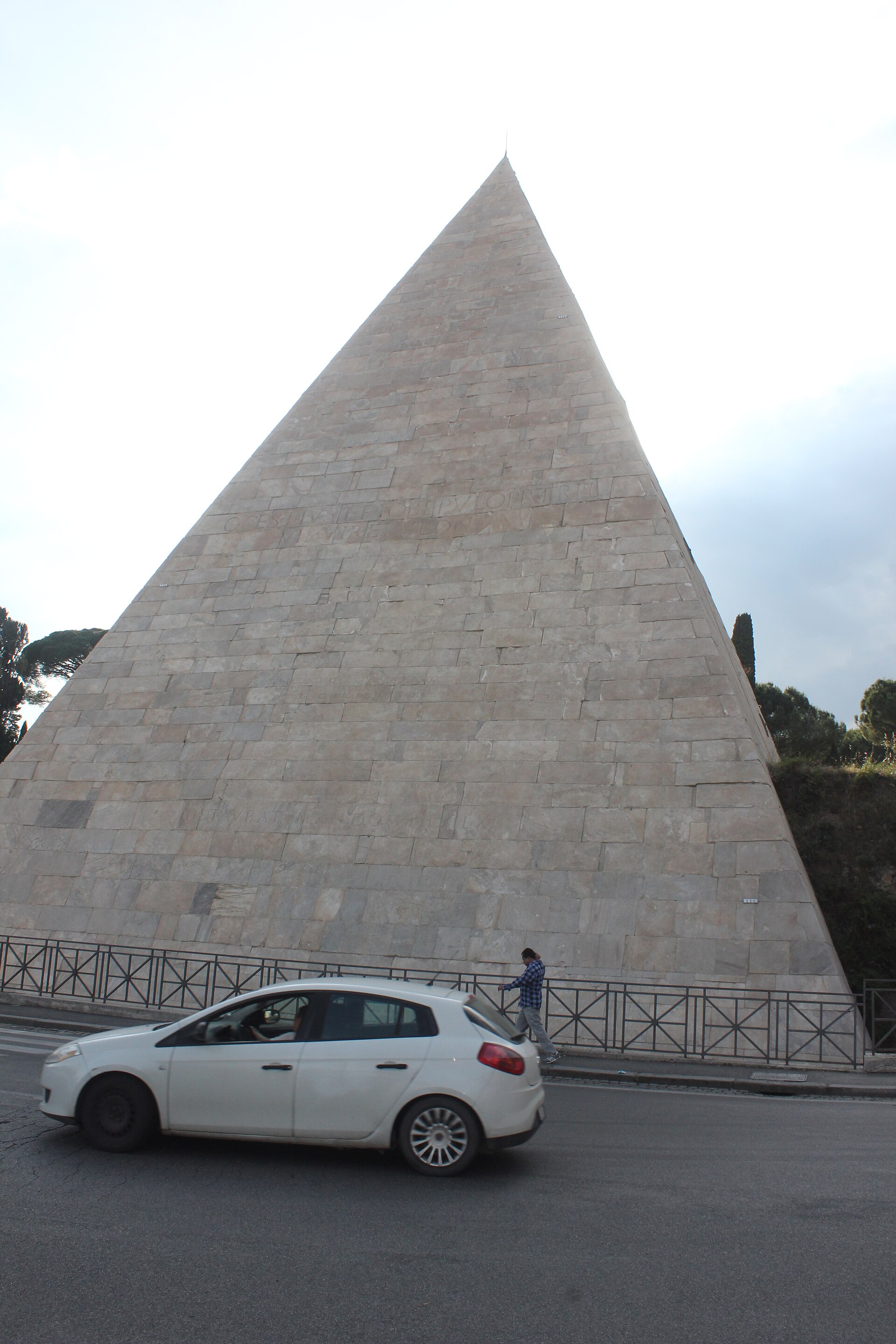
The neighbour. Two thousand years old and the newest thing about the place.CAPTAIN RAJU, CC BY-SA 4.0 The gate on Via Caio Cestio
Ring the bell. Put something in the box. The volunteers at the gate and in the small shop know every grave and most of the cats by name.
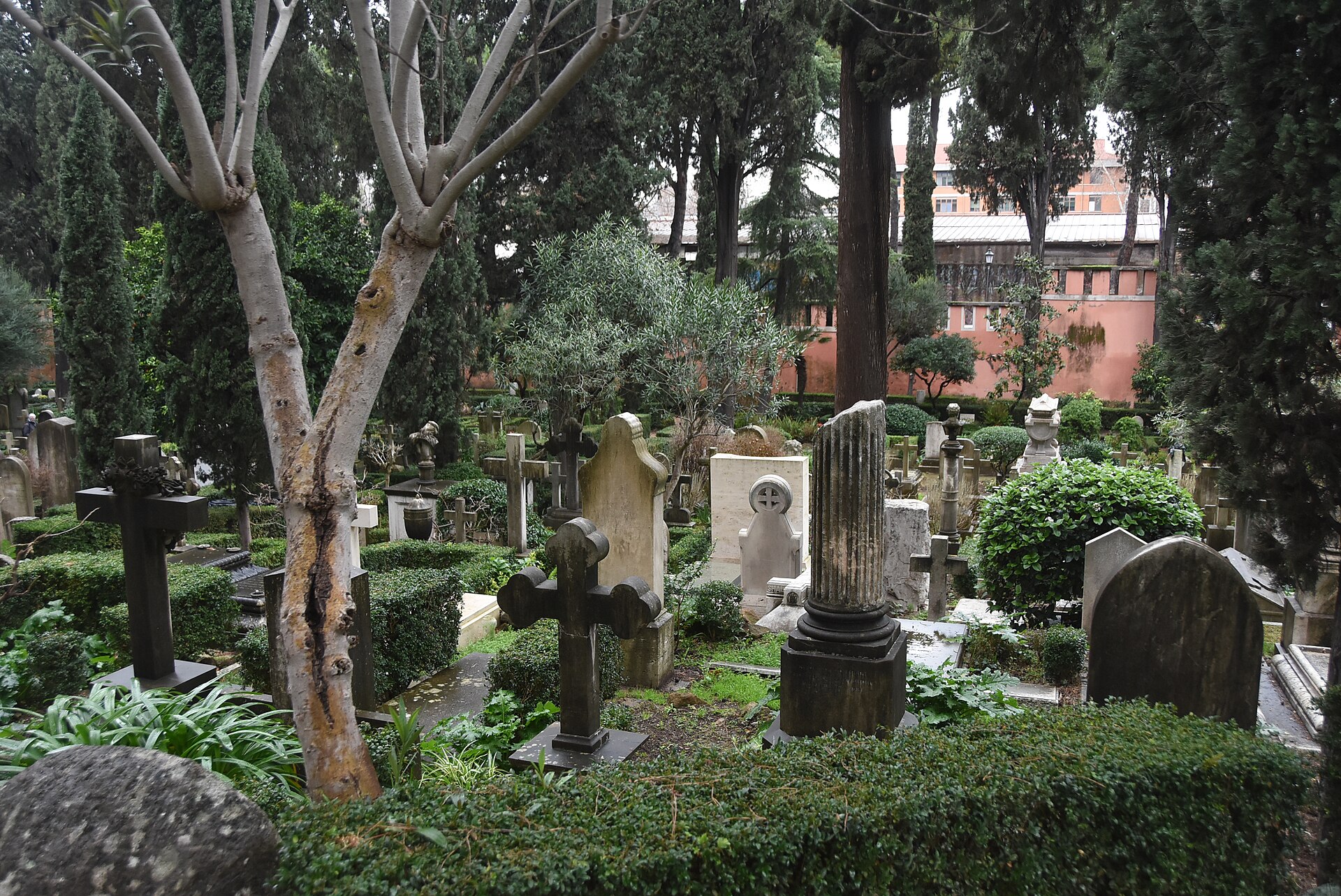
Inside. The city stops at the wall.bob, CC BY 2.0 Keats
In the old part, by the wall near the pyramid, the flat stone with the lyre and no name: Here lies one whose name was writ in water. Sit on the bench opposite. A cat will come.
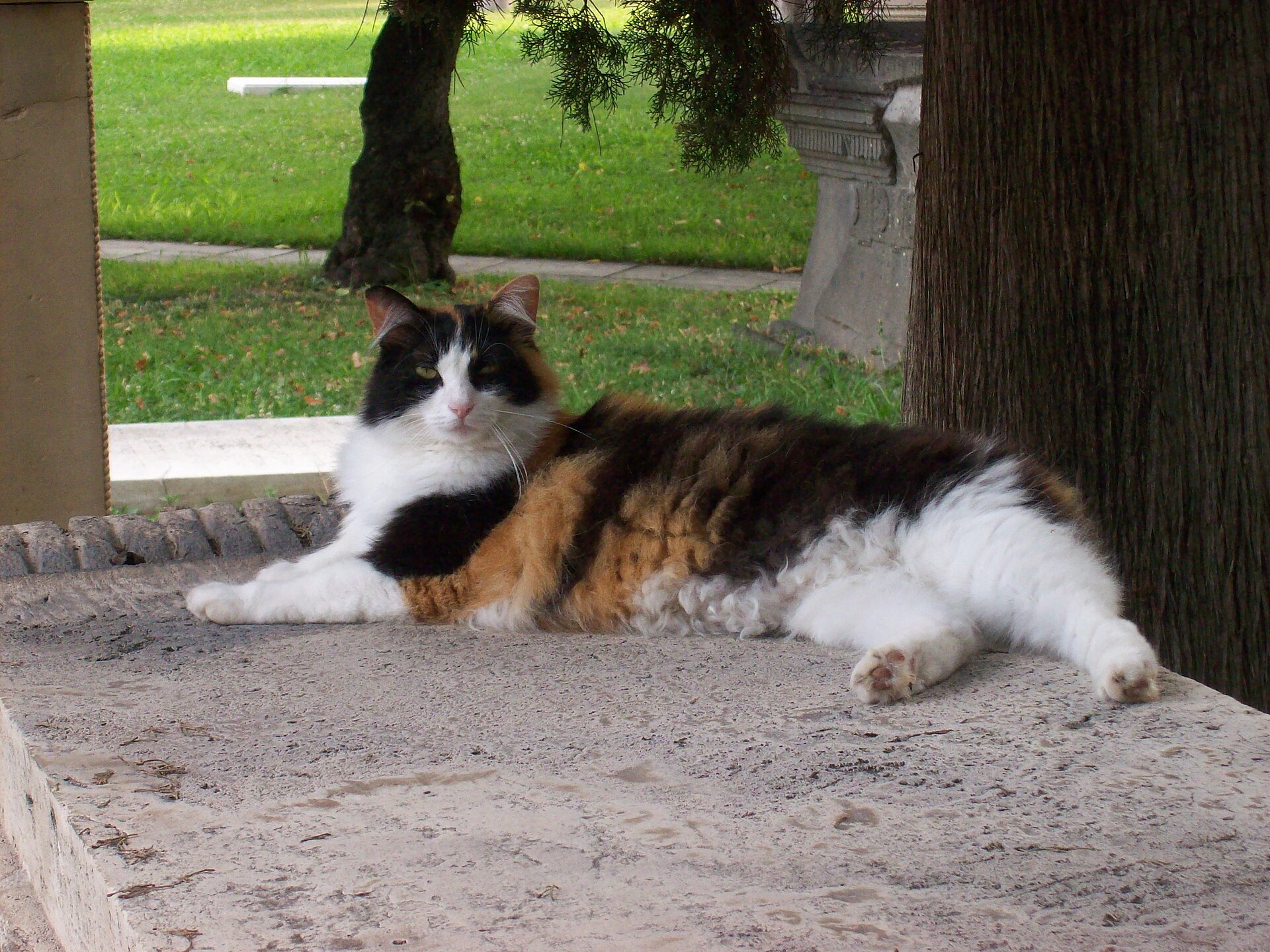
By the graves. On the bench, if you sit still.Blackcat, CC BY-SA 3.0 Shelley and the new part
Up the slope through the newer graves under the cypresses to the wall at the top, where Shelley’s ashes are, and Trelawny’s beside him. The cats work the sunny rows here.
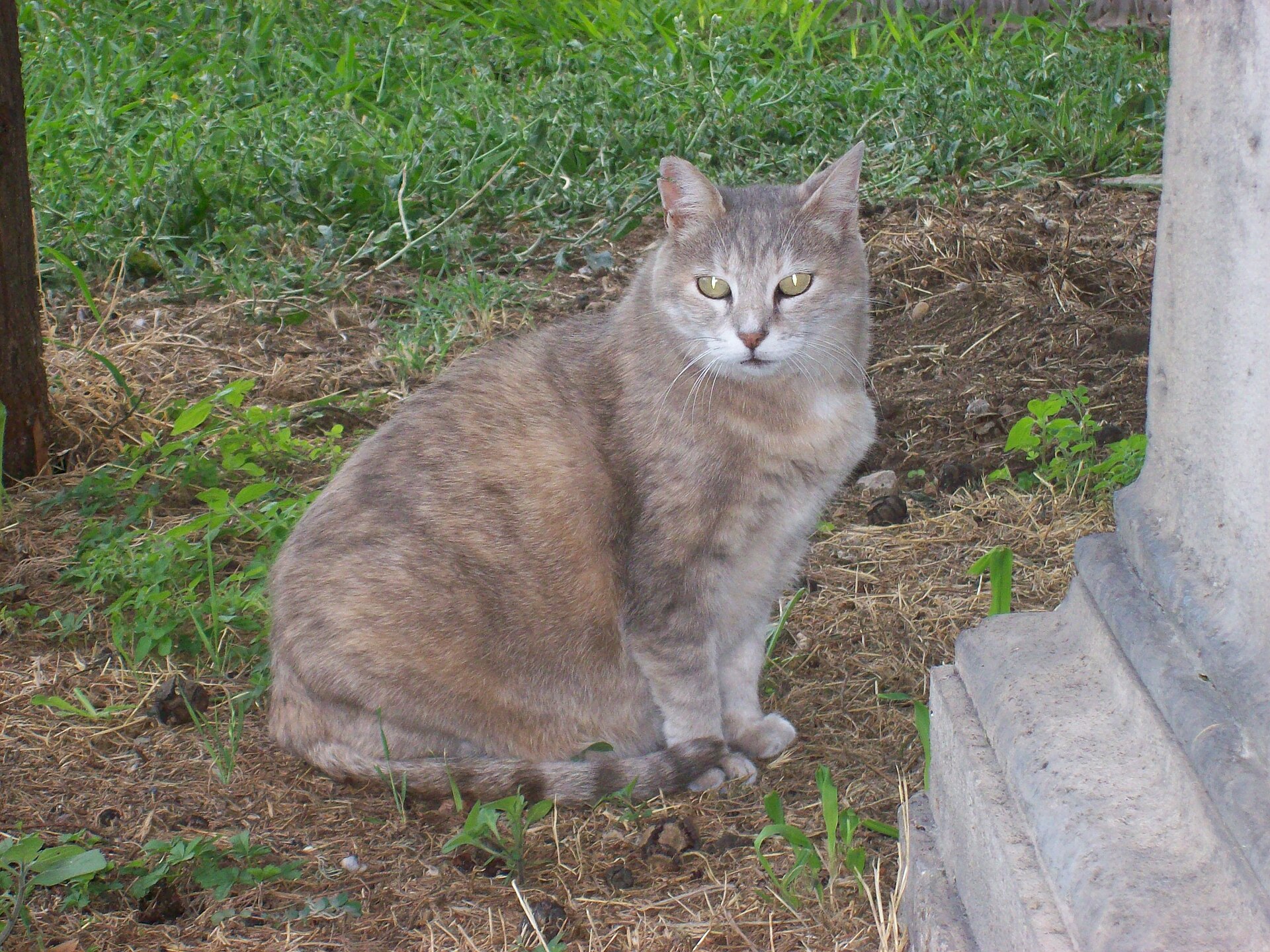
A resident, in the rows.Blackcat, CC BY-SA 3.0 The cats’ corner and Romeo
By the pyramid wall, the volunteers’ corner: shelters, bowls, and the cats that live around them. And Romeo’s grave, a cat with a headstone, which is the right note to leave on.
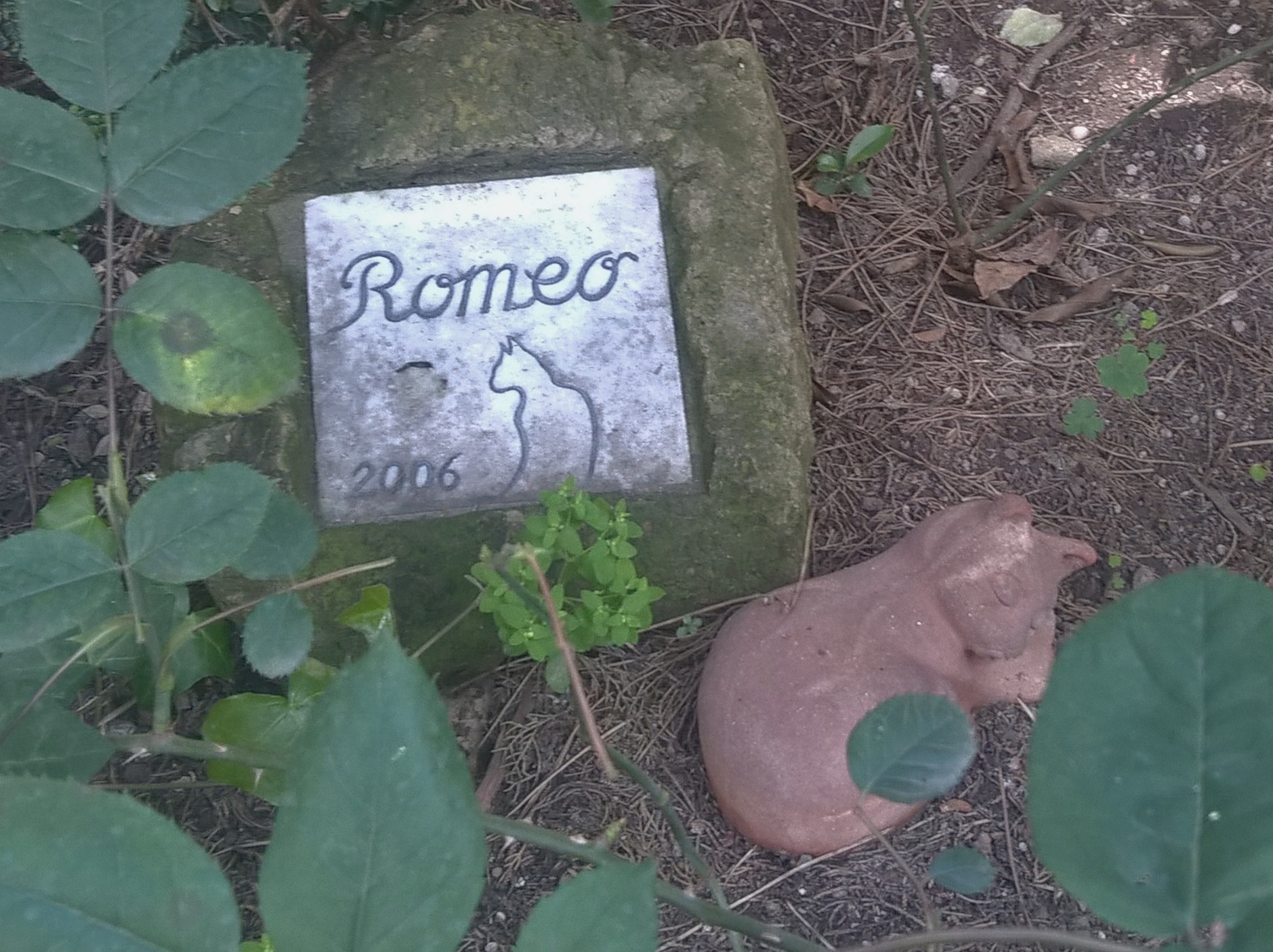
Romeo. A cat, with a grave, in a cemetery full of poets.Xarvus, CC BY-SA 3.0
Same numbers as the list. Worth keeping open on your phone.
The cats you will meet
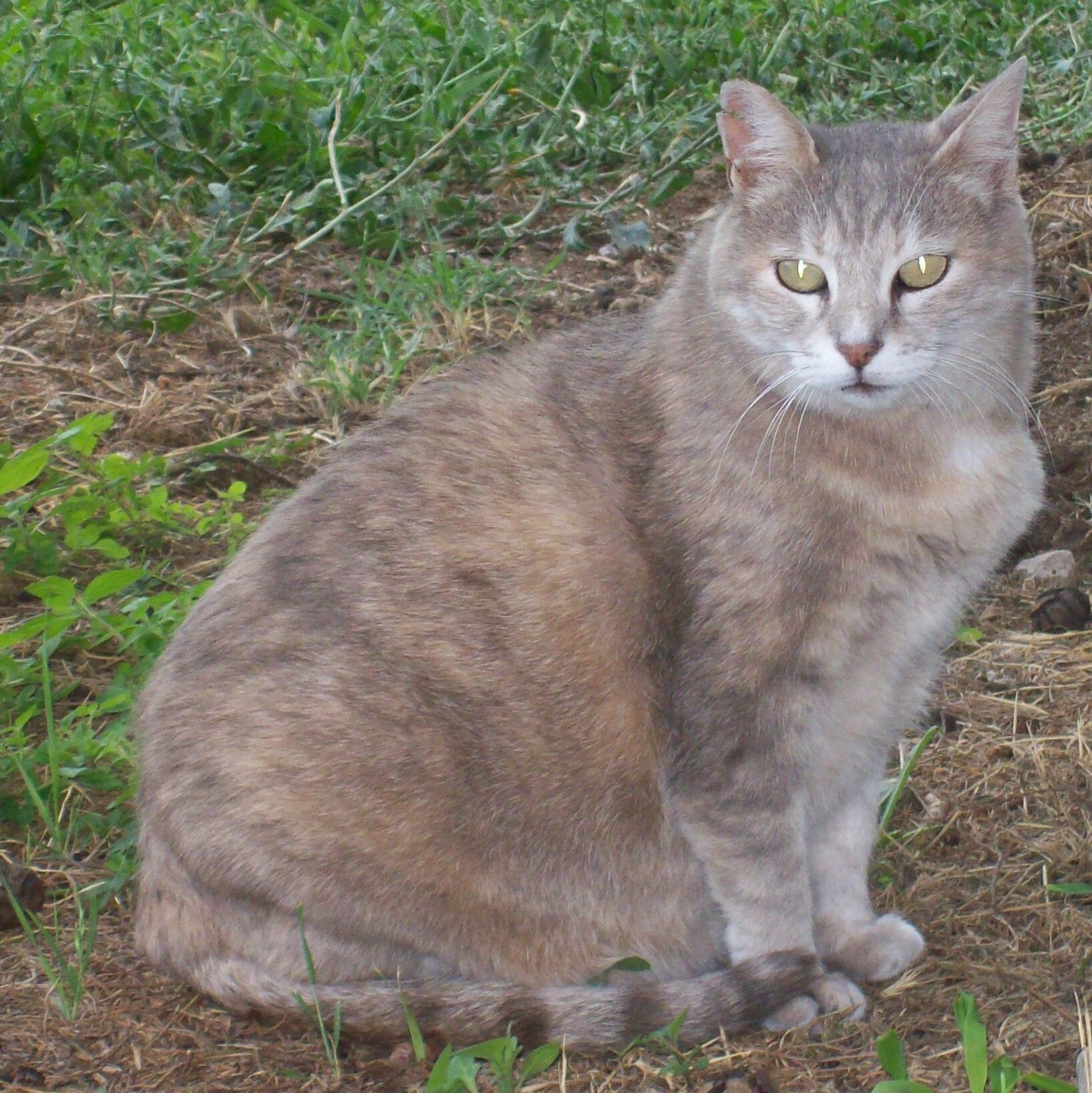
A managed colony, neutered and fed by the cemetery’s volunteers, of Roman greys and tabbies who spend their days on warm gravestones under cypresses. Calm, curious, and used to the kind of visitor who sits still for an hour.
Grey cats
Blue-grey, green-eyed, on the old stones.
The cemetery’s signature. There have been greys here for decades.
Tabbies
In the sunny rows of the new part.
The working shift. They patrol.
The corner cats
Older, by the shelters at the pyramid wall.
The volunteers’ charges. Say hello; do not feed.
Everybody says The cats are wild.
Actually They are a protected colony under Roman law, neutered and fed by volunteers, with a corner of the cemetery set aside for them. Rome has cat colonies in most of its cemeteries and ruins, and the law protects them all. This is the prettiest.
How not to be the annoying one
- It is a cemetery, and a private one. Quiet, stay on the paths, and nothing on the graves but your attention.
- Do not feed the cats. The volunteers do, and they have shelters and a rota. Put money in the box instead.
- No flash, and no climbing on anything for a better angle. The graves are old and some of them are loose.
- Sunday closes at one. Do not be the person ringing the bell at two.
- If you want to help, the cemetery and the cat volunteers both take donations. Ask at the gate which is which.