Landmark St Petersburg, Russia
Cats in The Hermitage Cats
Fifty or so cats have lived in the basements of the Winter Palace since an empress ordered them from Kazan in 1745 to deal with the mice. They have their own staff, their own press officer and their own day. You can see them, with planning.
Where to find cats in The Hermitage Cats: The State Hermitage Museum on Palace Square, St Petersburg, whose basements house the cats; the Cat Republic café on Yakubovicha Street, where the retired ones go; and the bronze cats of Malaya Sadovaya. When: The museum is closed Mondays. The cats are seen by arrangement or on the Day of the Hermitage Cat in spring. The café is open daily. Why here: The oldest institutional cat colony in the world, with paperwork.
The short version
- Where
- The State Hermitage Museum on Palace Square, St Petersburg, whose basements house the cats; the Cat Republic café on Yakubovicha Street, where the retired ones go; and the bronze cats of Malaya Sadovaya
- When
- The museum is closed Mondays. The cats are seen by arrangement or on the Day of the Hermitage Cat in spring. The café is open daily
- How long
- A day for the museum, which is the point. An hour for the cats, if you can get to them
- What it costs
- The museum ticket. The café charges an entry that goes on cat food
- Why here
- The oldest institutional cat colony in the world, with paperwork
What to bring
- A ticket booked ahead, and low expectations of the basementThe cats live below the galleries and are not on the tour. Some appear in the courtyards and at the gates; the rest need an arrangement with the museum or the spring open day.
- Roubles for the caféThe Cat Republic on Yakubovicha rehomes Hermitage cats when they retire, and its entry fee feeds the ones still there.
- Opening timeThe gate cats sit on the railings at Palace Square in the morning. That is the free view.
- Awareness of the momentRussia is not an easy or advisable destination for many readers at present. This page is for when it is again, and for the story in the meantime.
Why there are cats everywhere
In 1745 the Empress Elizabeth ordered the best mousers in Kazan sent to the Winter Palace. Their descendants are still on the payroll.
The decree survives: cats, the right kind, to be sent to the court to deal with the mice in the palace. Catherine the Great later gave them the status of guards of the picture galleries, and a cat has been in the basements of the Winter Palace, now the Hermitage, ever since, with one interruption. During the siege of Leningrad every animal in the city died or was eaten, the cats included, and when the siege lifted the city brought in cats by the trainload from Yaroslavl and Siberia to deal with the rats. The Hermitage got its share.
Today there are around fifty, living in the basements and the internal courtyards, with three or four staff assigned to them, a small veterinary clinic, a fund that pays for their food, and a press officer who is asked about them more than about the Rembrandts. Each has a name and a passport. They are not allowed in the galleries, and mostly do not try. Once a year, in spring, the museum holds a Day of the Hermitage Cat and lets the public down to meet them. The rest of the year, the ones that wander out to the gates on Palace Square are the ones you will see.
When a Hermitage cat retires, or when there are too many, they go up for adoption, and some go to the Cat Republic, a café on Yakubovicha Street a few minutes away that was founded to take them. Ten minutes in the other direction, on Malaya Sadovaya, two small bronze cats, Yelisey and Vasilisa, sit on ledges at first-floor height in memory of the cats that saved the city from the rats after the siege. People throw coins up to them. Most miss.
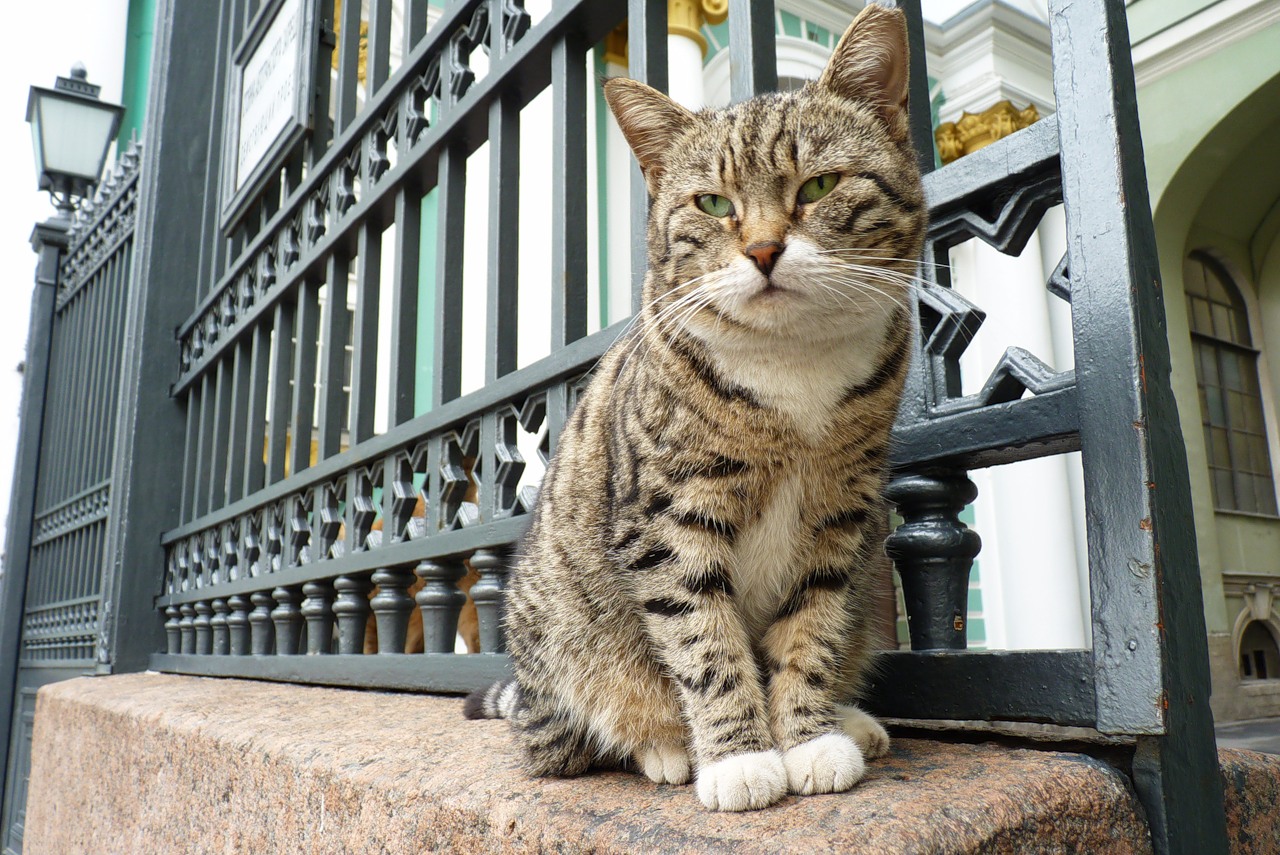
The walk
Palace Square and the gates, the museum itself, then the bronze cats on Malaya Sadovaya and the café on Yakubovicha where the retired ones live. A day, most of it in front of paintings.
- From Pulkovo airportBus to Moskovskaya metro, then the metro to Admiralteyskaya60 minAdmiralteyskaya is the stop for Palace Square. Taxis via app are cheap.
- From Moskovsky stationWalk down Nevsky Prospekt35 minThe whole of Nevsky, which is the right way to arrive. Malaya Sadovaya is off it.
- From Anywhere in the centreMetro to Admiralteyskaya10 minEverything on this page is within twenty minutes on foot of the station.
Palace Square and the gates
The square in front of the Winter Palace, with the column in the middle. The cats come out to the railings and the courtyard gates in the morning; that is the free sighting. Then in, with your ticket.
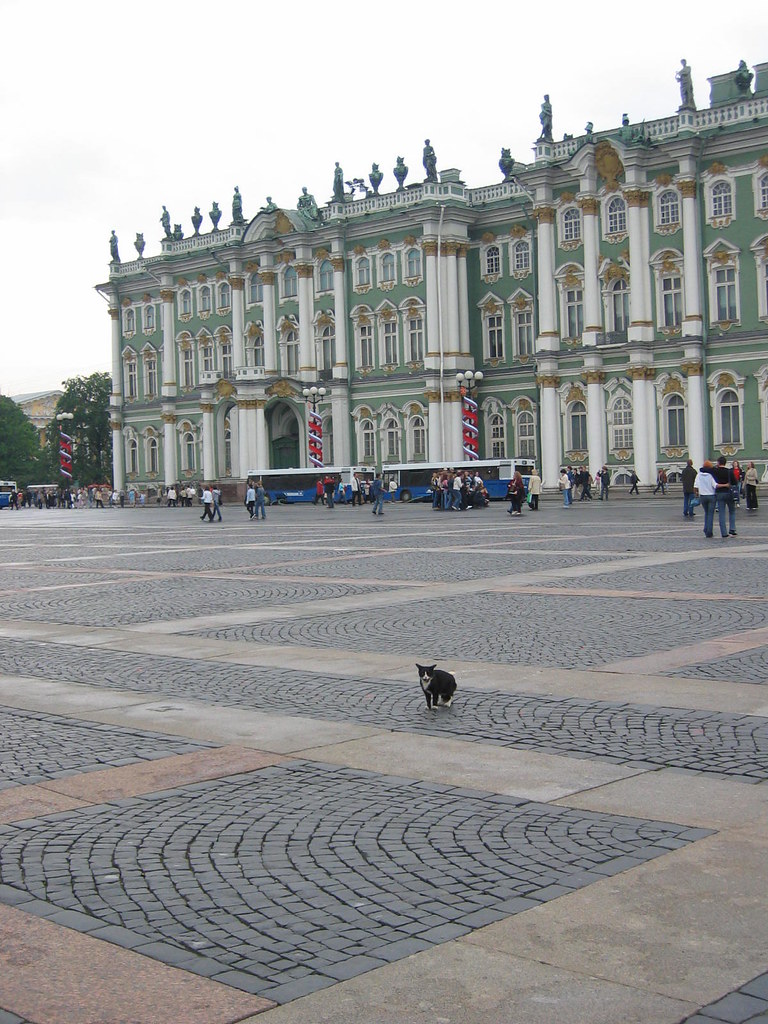
Outside the Hermitage. Not on the tour, but on the railings.Anosmia, CC BY 2.0 The Hermitage
Three million objects, the Rembrandts, the Matisses, and a basement you cannot visit without arrangement. Ask at the information desk about the cats; on the spring open day, they say yes.
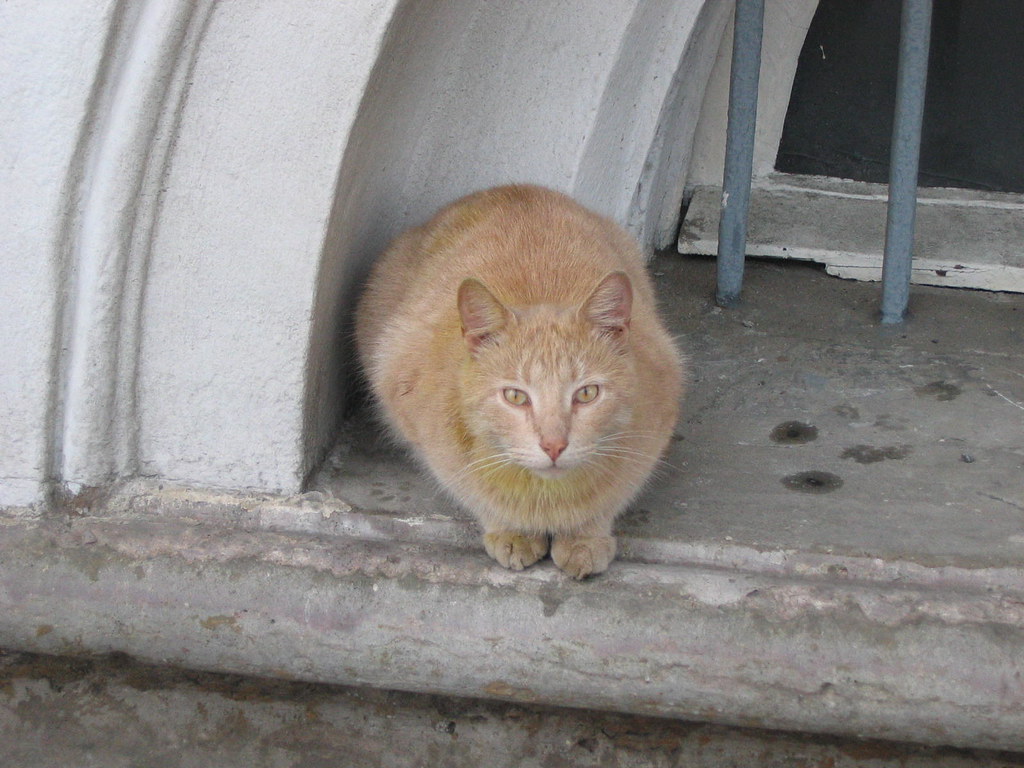
A Petersburg cat. The palace ones look the same and eat better.Anosmia, CC BY 2.0 Malaya Sadovaya, the bronze cats
A short walk along Nevsky to the pedestrian street with two small bronze cats on ledges above head height: Yelisey on one side, Vasilisa on the other, for the cats that saved the city after the siege. Coins are thrown; a hit is luck.
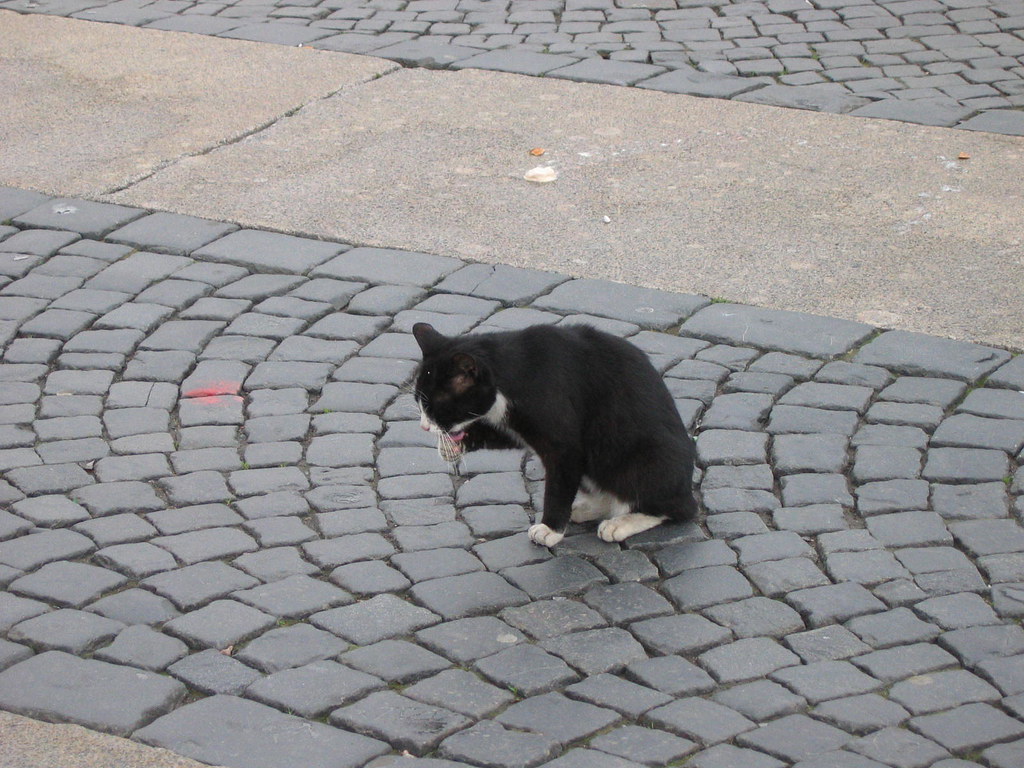
The living kind, near the bronze kind.Anosmia, CC BY 2.0 The Cat Republic
On Yakubovicha Street, behind St Isaac’s, the café that takes Hermitage cats when they retire. Entry goes on food; the cats are the staff. Some are adoptable. Book on a weekend.
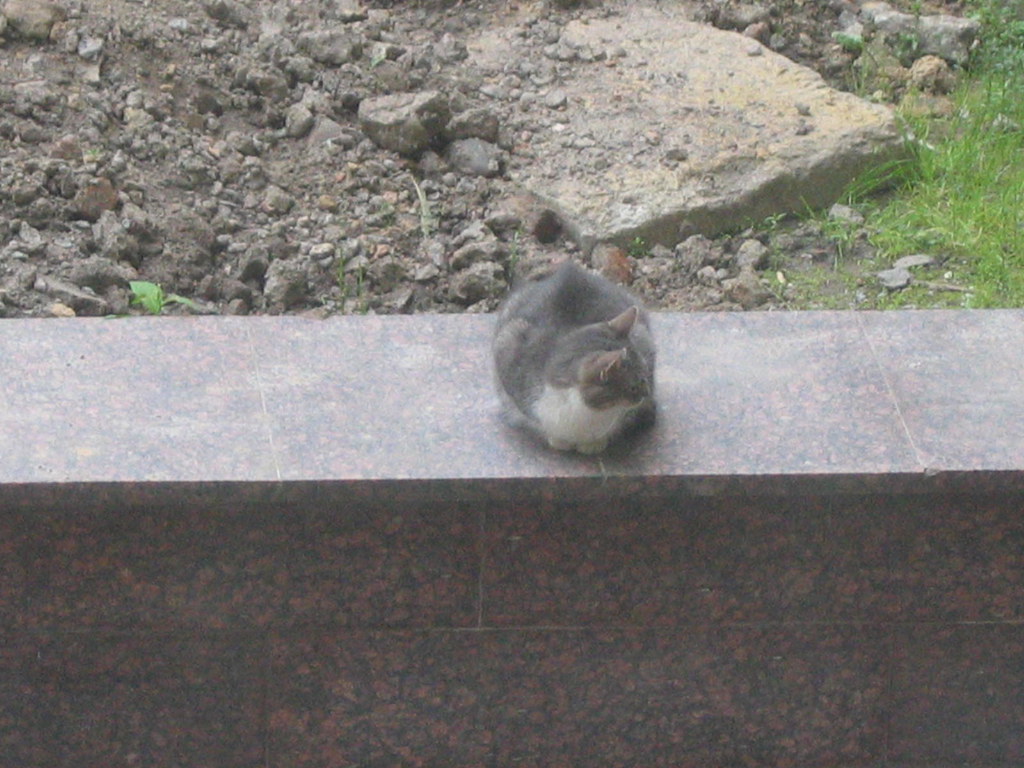
Off duty, which for a Hermitage cat is a promotion.Anosmia, CC BY 2.0
Same numbers as the list. Worth keeping open on your phone.
The cats you will meet
Palace cats: ordinary Russian domestic cats, tabby and black and white, thick-coated, well fed by a museum budget, vaccinated, neutered and named. Sociable at the gates, bureaucratic below. And the city’s street cats, which are the same cats without the paperwork.
Gate cats
On the railings at Palace Square.
The ones that wander up from below. The free sighting.
Basement cats
You will not see these without arrangement.
Fifty, with passports. The spring open day is the way in.
Retired cats
At the Cat Republic on Yakubovicha.
Adoptable, some of them. A Hermitage pedigree.
Everybody says The cats roam the galleries.
Actually They are not allowed above the basement, and the staff are strict about it. The famous photographs of cats among the Rembrandts are staged or old. The real ones are in the courtyards, at the gates, and, once a year, on show.
How not to be the annoying one
- Do not try to get into the basement. Ask, and accept the answer.
- Do not feed at the gates. The museum feeds them on a schedule and a budget.
- At the café, the cats are working. Let them come.
- The bronze cats are a memorial to the siege. Throw a coin if you like; do not climb for it.
- Check travel advice before you plan any of this. The cats will still be there when it is sensible to go.