Landmark Rome, Italy
Cats in The Colosseum and the Forum
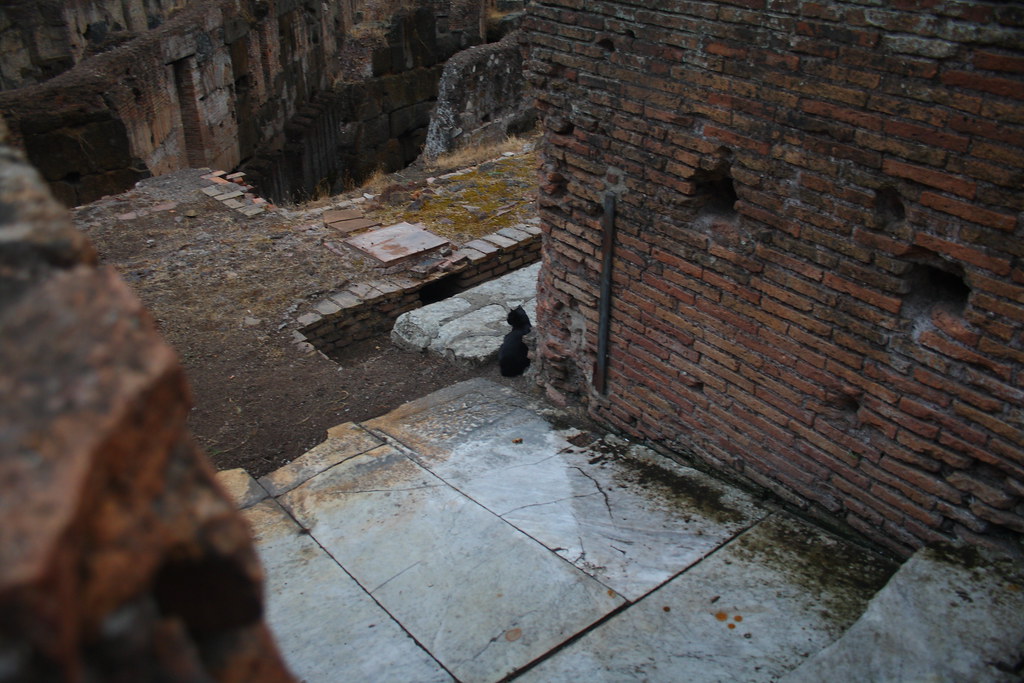
Rome made its street cats official heritage in 2001. They live in the Forum, the Colosseum, the ruins where Caesar was stabbed, and a Protestant cemetery under a pyramid, fed by the gattare who have always fed them.
Where to find cats in The Colosseum and the Forum: Ancient Rome: the Colosseum and the Forum, Largo di Torre Argentina in the centre, and the Protestant Cemetery by the Pyramid of Cestius. When: Morning, when the gattare feed and before the queues. Spring and autumn. Torre Argentina’s sanctuary is open every afternoon. Why here: The only city in the world where a street cat is a protected cultural asset by law, and the ruins they live in.
The short version
- Where
- Ancient Rome: the Colosseum and the Forum, Largo di Torre Argentina in the centre, and the Protestant Cemetery by the Pyramid of Cestius
- When
- Morning, when the gattare feed and before the queues. Spring and autumn. Torre Argentina’s sanctuary is open every afternoon
- How long
- A day for all four. Half a day for the Colosseum and Torre Argentina
- What it costs
- The Forum and Colosseum are one ticket, booked ahead. Torre Argentina’s sanctuary is free and takes donations. The cemetery asks for a small one
- Why here
- The only city in the world where a street cat is a protected cultural asset by law, and the ruins they live in
What to bring
- A Colosseum ticket, booked aheadTimed entry, sells out. The cats do not need one; they are already inside.
- The morningThe gattare, the cat women, feed the colonies early. That is when the cats are out on the stones.
- Euros for Torre ArgentinaThe sanctuary in the ruins runs on donations and a gift shop. It has neutered tens of thousands of Roman cats.
- Shoes for the ForumTwo thousand years of paving, none of it level.
Why there are cats everywhere
In 2001 the city of Rome declared its street cats part of the city’s bio-cultural heritage, and made it illegal to move them.
Rome has always had cats in its ruins, and it has always had gattare, the women who feed them: Anna Magnani, the actress, was one, feeding the colony at Largo di Torre Argentina in the fifties. The colonies live where the ruins are, because ruins are warm, dry, full of holes and closed to dogs. The Forum, the Colosseum, the Pyramid of Cestius and the four Republican temples at Torre Argentina, which is the spot where Caesar was killed, all have them.
Torre Argentina became the famous one. In 1993 two gattare turned the feeding into a sanctuary in the excavated square below street level, with a clinic, an adoption programme and a neutering effort that has fixed tens of thousands of cats across the city. It is open every afternoon, free, down the steps at the corner, and it is the reason a Roman street cat today is likely to be healthy and ear-tipped. In 2001 the city followed the gattare and passed a law: cats living free in the city are protected, may not be moved from their colony, and are officially part of Rome’s heritage.
The Forum and the Colosseum are the grand version, with cats on two-thousand-year-old brick and the queues walking past them. The Protestant Cemetery by the Pyramid, where Keats and Shelley are buried, is the quiet version, with its own colony and its own volunteers, I Gatti della Piramide, who feed at the gate. Go to all of them.
The walk
Torre Argentina in the afternoon, or start there in the morning and walk to the Forum, the Colosseum and down to the Pyramid. A day of ruins with cats in all of them.
- From Termini stationMetro B to Colosseo10 minTwo stops. The Colosseum is outside the station door.
- From Anywhere in the centreWalk to Largo di Torre Argentina15 minIt is between the Pantheon and Campo de’ Fiori. Every tram goes past.
- From The ColosseumMetro B to Piramide8 minThree stops south for the cemetery. The pyramid is by the station.
Largo di Torre Argentina
The sunken square of four Republican temples in the middle of the traffic, where Caesar was stabbed. Look down from the railings for the cats; go down the steps at the corner for the sanctuary, open every afternoon.
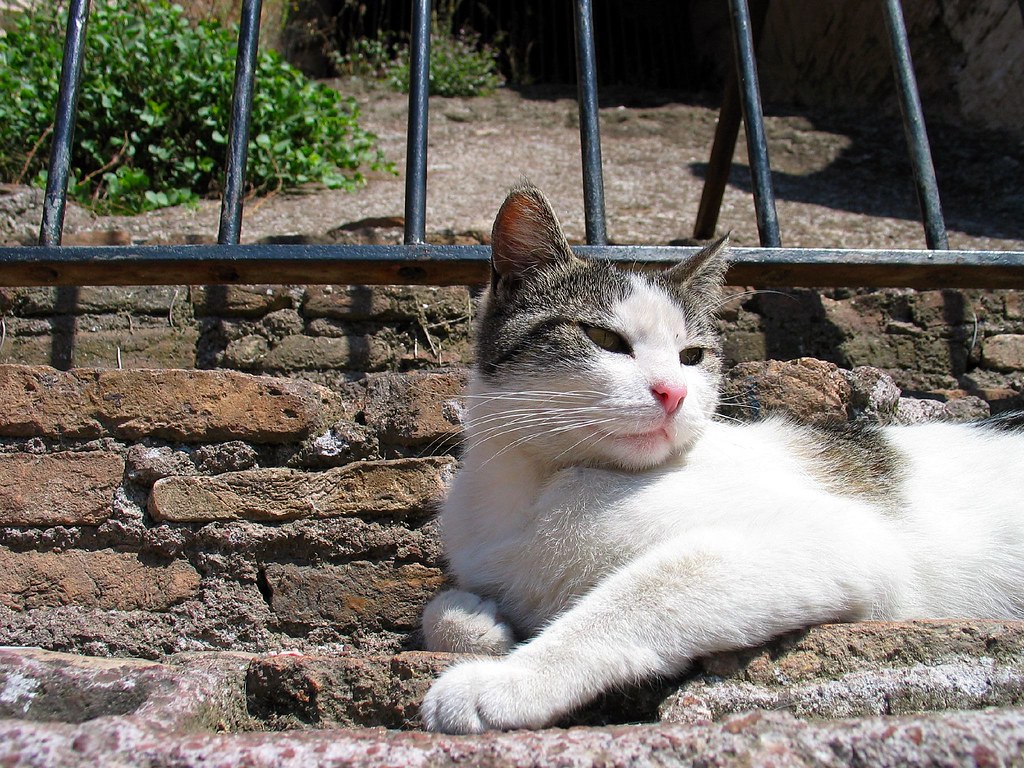
A Roman cat, and the gattare who made it possible.Averain, CC BY 2.0 The Forum
A walk east along Via dei Fori Imperiali and into the Forum with your ticket. Cats on the fallen columns and in the temple podiums, fed at the edges by the volunteers. The Palatine above has them too.
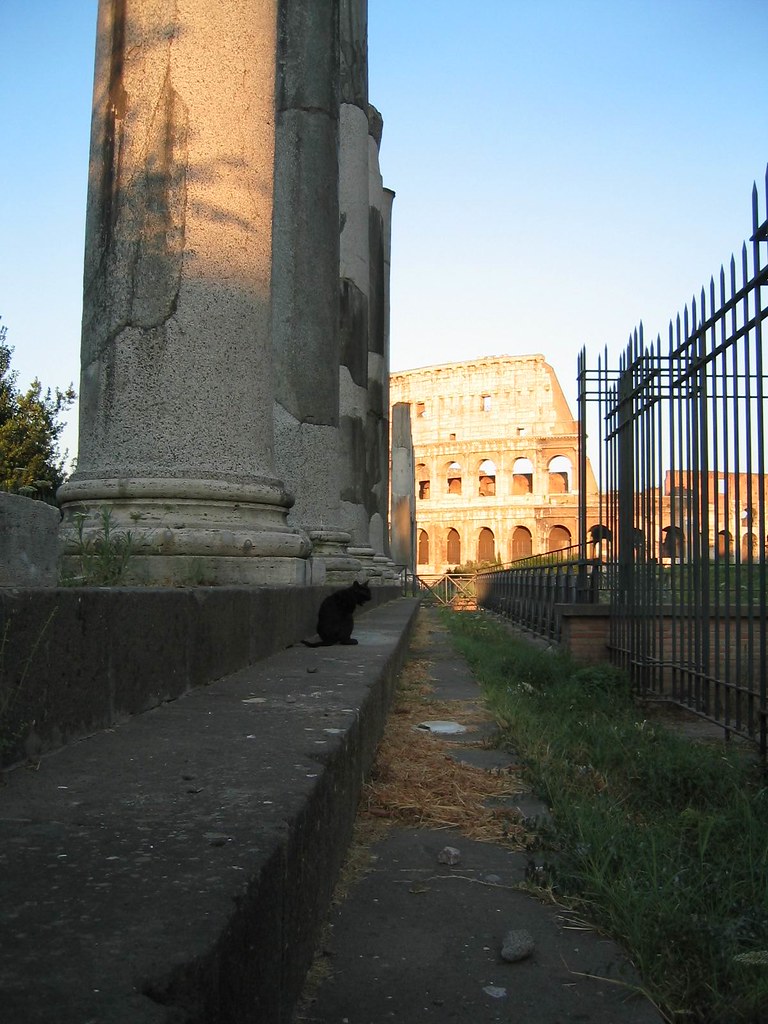
Columns, cat, and the walk to the Colosseum.get directly down, CC BY 2.0 The Colosseum
The arena, with its cats in the arches and on the brickwork of the lower tiers. They have been here as long as the guidebooks have, and the guards know them. Timed ticket; go early.
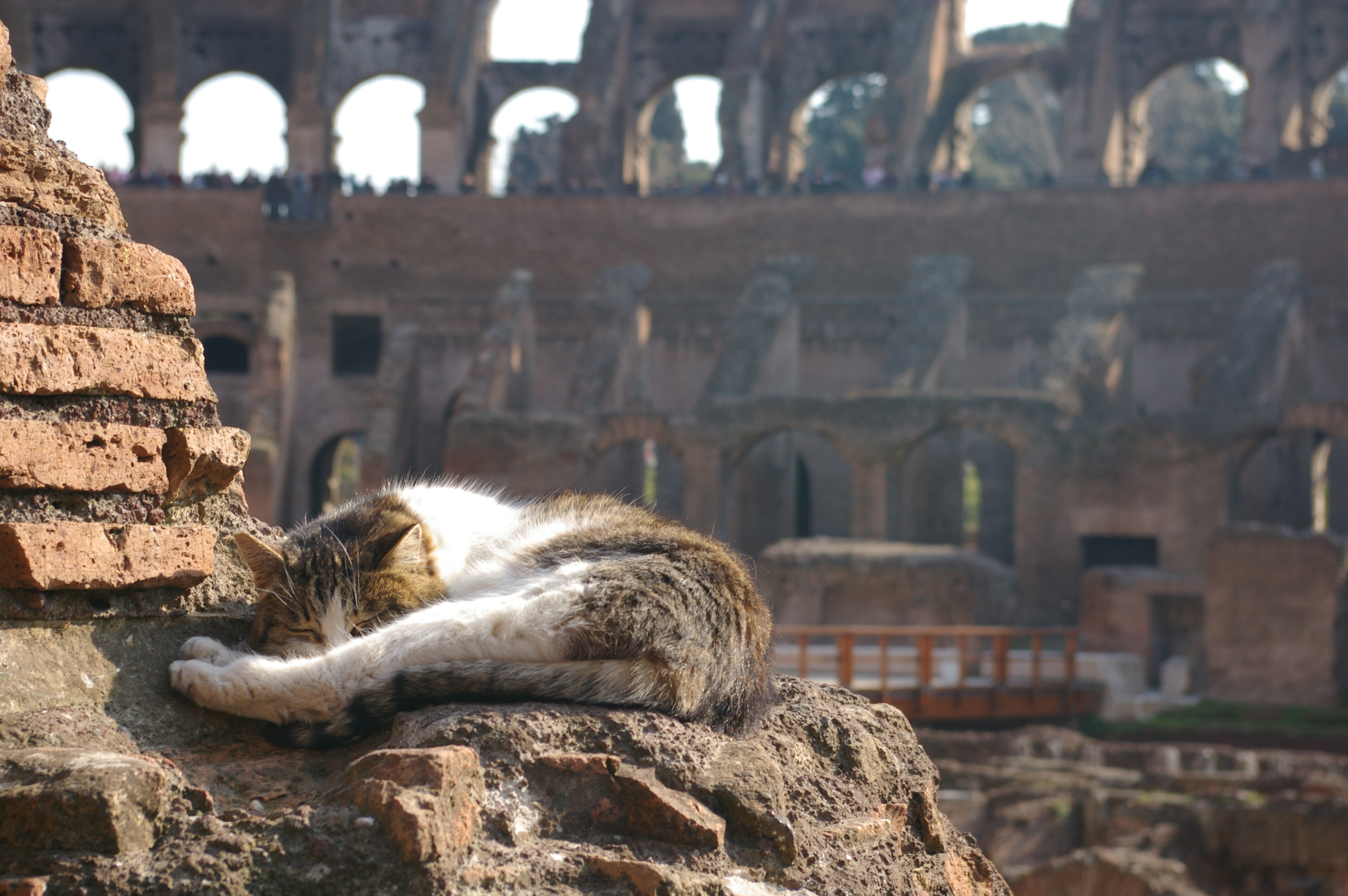
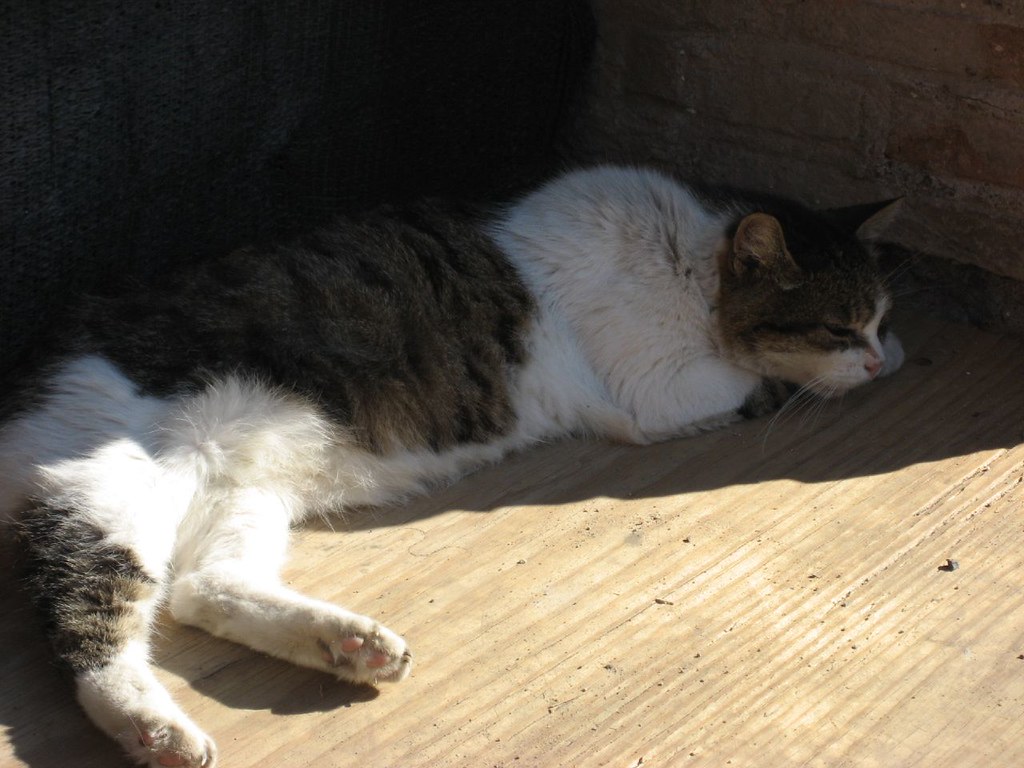
Asleep at the Colosseum. The gladiators were more nervous.debs-eye, CC BY 2.0 The Pyramid and the Protestant Cemetery
Metro or a long walk south to the Pyramid of Cestius and the cemetery beside it, where Keats and Shelley lie among the cypresses. The colony is fed by I Gatti della Piramide at the gate. Quiet, green, and full of cats.
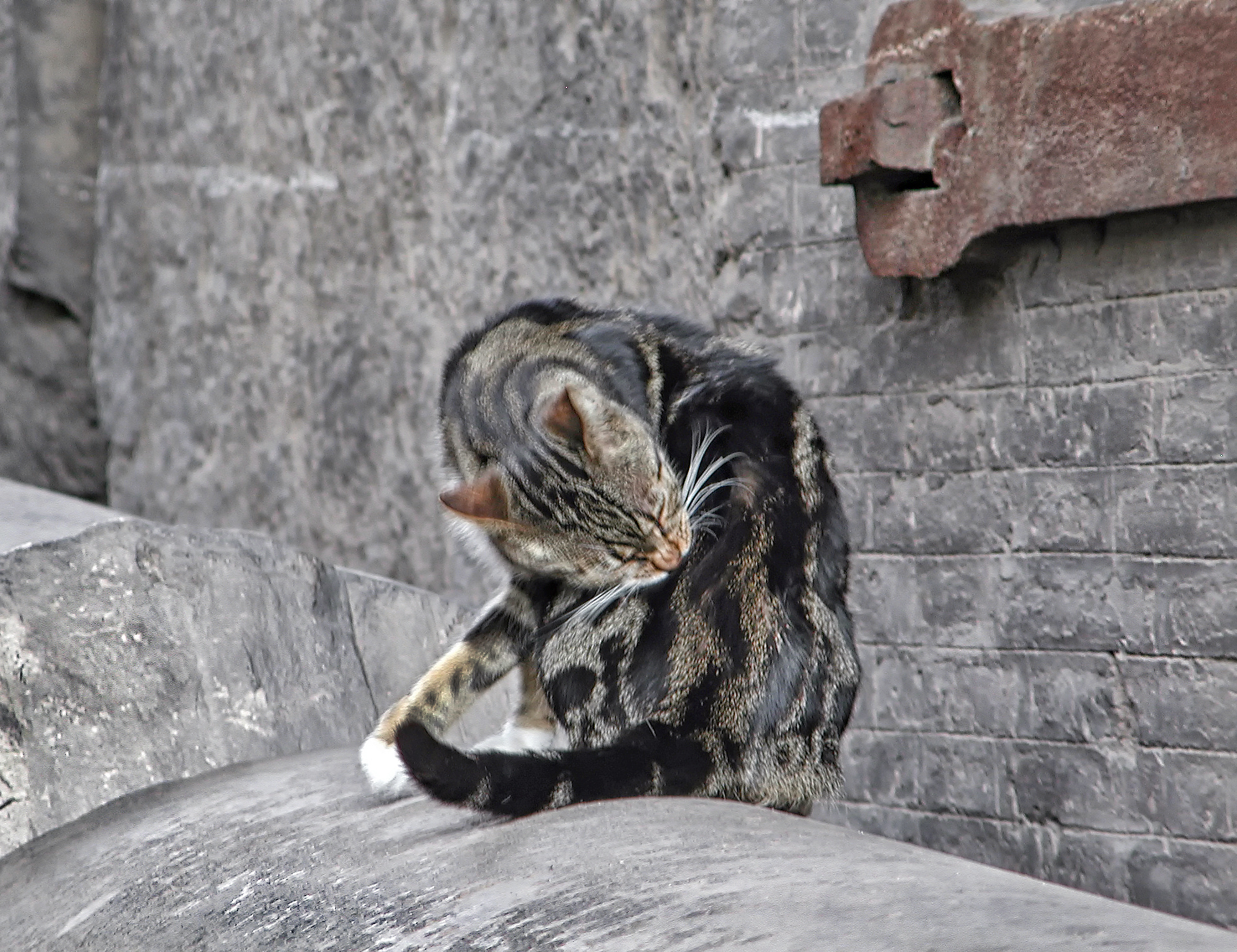
A colony cat. The quiet end of the walk.Tim-desser, CC0 1.0
Same numbers as the list. Worth keeping open on your phone.
The cats you will meet
Roman colony cats: tabby, black, ginger and white, well fed by the gattare, neutered by Torre Argentina, and protected by law from being moved. Calm on the stones, used to crowds, and at their best in the morning sun on two-thousand-year-old brick.
Ruin cats
On the brick of the Forum and the Colosseum.
The heritage. Photograph from the path; the ruins are not for climbing.
Sanctuary cats
In the sunken square at Torre Argentina.
Some adoptable, some permanent residents with disabilities. Ask the volunteers.
Cemetery cats
Among the cypresses at the Pyramid.
Fed at the gate. Quiet, please; it is a cemetery.
Everybody says The cats are a nuisance the city tolerates.
Actually The city passed a law in 2001 making them protected heritage and banning their removal. The volunteers who feed them are registered with the city. Rome does not tolerate its cats. It keeps them.
How not to be the annoying one
- The ruins are not for climbing, for any photograph. The cats can; you cannot.
- Feed nothing in the Forum. The gattare have permits and a system, and a tourist’s ham confuses both.
- At Torre Argentina, buy something in the shop or leave a note in the box. That is the clinic.
- The cemetery is a cemetery. Quiet, and stay on the paths.
- A cat with an ear tip is a cat someone has already looked after. Say thank you to the woman with the bag.