Neighbourhood Havana, Cuba
Cats in Old Havana
Four colonial plazas, arcades, crumbling mansions and a book market, with cats in the shade of all of them, fed by people who have less than almost anyone else who feeds cats on this site.
Where to find cats in Old Havana: Habana Vieja, the colonial old town between the harbour and the Capitolio, and its four plazas. When: Morning, before the heat, when the book market sets up. November to April for the weather. Why here: A city where feeding a street cat is an act of generosity that costs something, and people do it anyway.
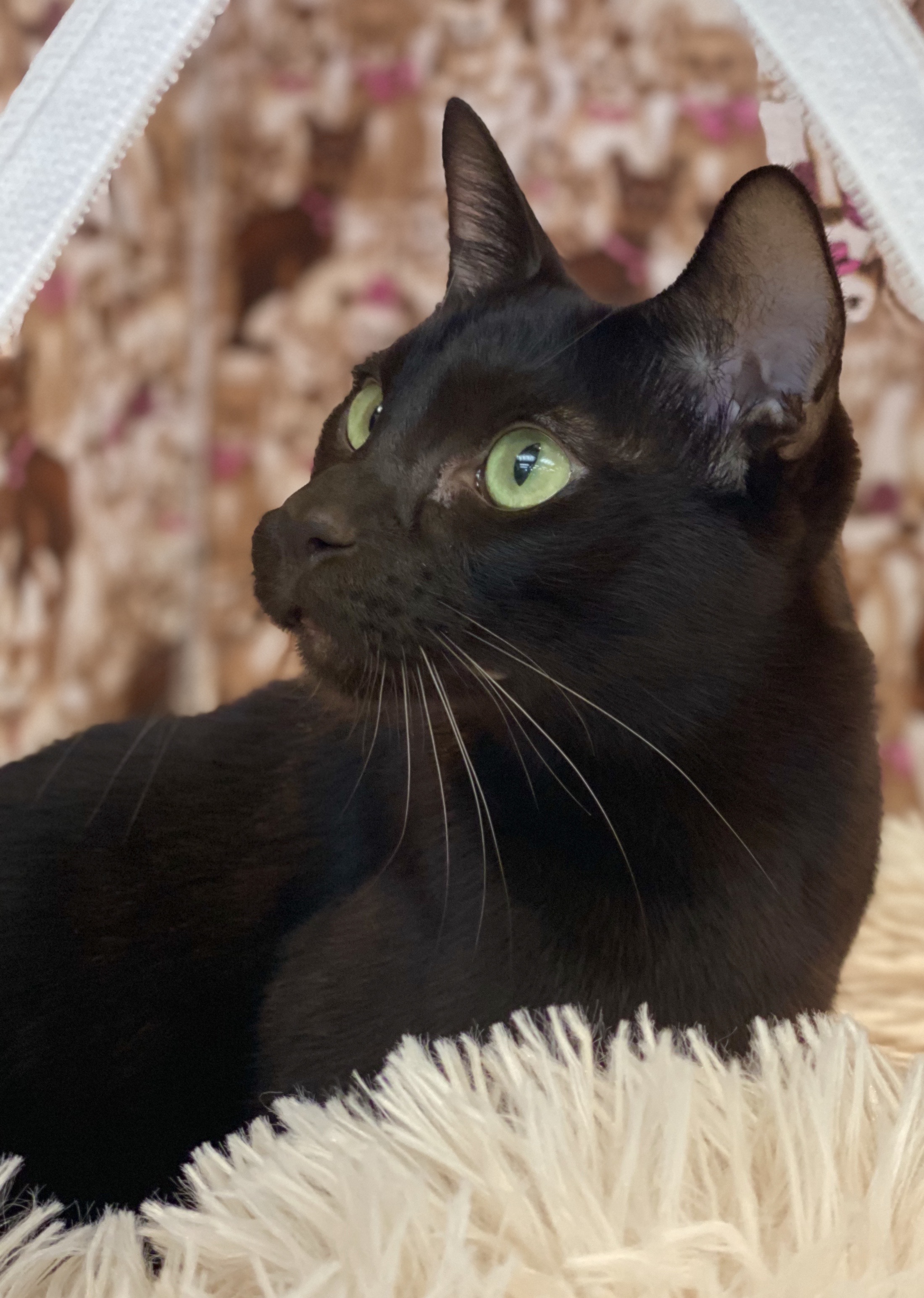
The short version
- Where
- Habana Vieja, the colonial old town between the harbour and the Capitolio, and its four plazas
- When
- Morning, before the heat, when the book market sets up. November to April for the weather
- How long
- Half a day for the plazas. A day for the old town properly
- What it costs
- Free. Cash for coffee and a tip; cards do not work for most visitors
- Why here
- A city where feeding a street cat is an act of generosity that costs something, and people do it anyway
What to bring
- Cash, smallCards from most countries do not work in Cuba. Bring cash and change it carefully. A tip for the person feeding the cats is worth more here than anywhere.
- A bag of dry cat foodCat food is hard to get and expensive for Cubans. A bag left with a feeder is the most useful thing you will carry into the country.
- The morningThe Plaza de Armas book market opens mid-morning and the cats are under the stalls. The afternoon is for shade.
- PatienceThings do not run to time. Neither do the cats.
Why there are cats everywhere
Havana has as many street cats as any old Spanish city, and they are fed by people who can barely feed themselves.
Old Havana is the colonial city the Spanish built between the harbour and the walls: four great plazas, arcades, baroque churches, and mansions that have been subdivided, patched and painted for two hundred years. It is a World Heritage site that is being restored a block at a time, and between the restored blocks are the ones that are not, with washing lines across the street and a cat in every doorway.
The cats are there for the usual reasons, but the feeding is different. Cuba’s economy is hard, food is rationed and expensive, and cat food is a luxury. Yet the cats are fed: by the woman at the corner with a plate of rice, by the book sellers in the Plaza de Armas, by the restorers on the building sites. Cuba passed its first animal protection law in 2021, after years of campaigning by volunteers, and the culture of feeding was there long before the law.
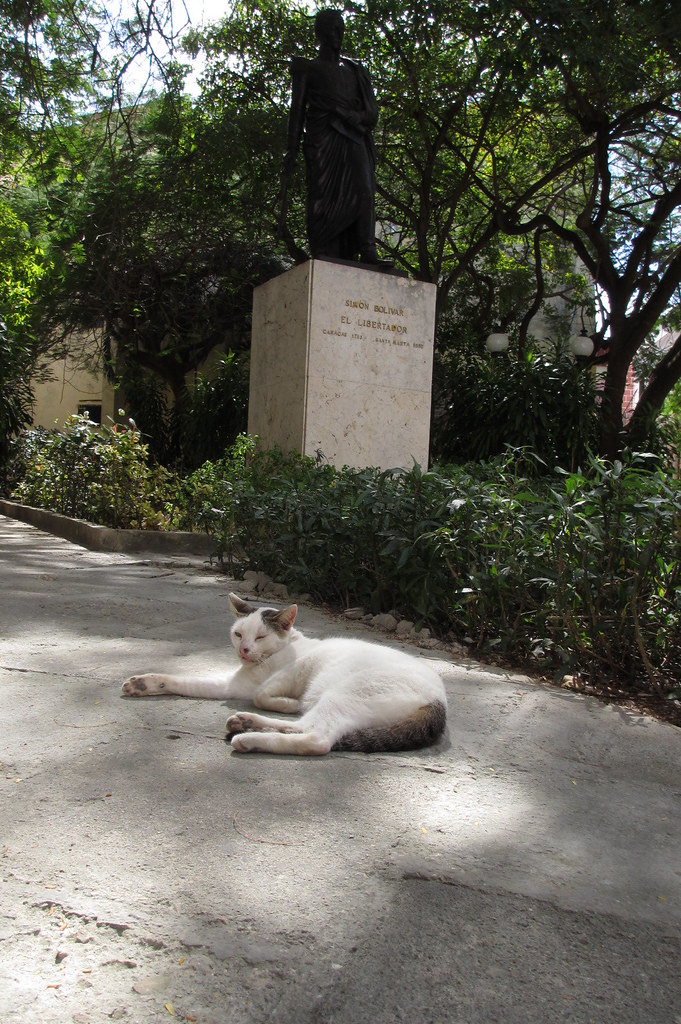
The places are the plazas. The Plaza de Armas, with its book market under the trees; the Plaza de la Catedral, with the baroque front; the Plaza Vieja, restored to its colours; and, on Calle Mercaderes between them, a small square with a statue of Simón Bolívar and, in the photograph on this page, a cat asleep at his feet. Walk between them and count.
The walk
The four plazas of the old town, joined by Calle Mercaderes, with the cats in the shade of each. Two hours, more with coffee and a book.
- From José Martí airportTaxi to Old Havana40 minAgree the fare before you get in. A classic car costs more and is the point.
- From VedadoTaxi or a walk along the Malecón30 minThe seafront walk is long and worth it in the evening.
- From Anywhere in the old townWalk10 minThe four plazas are within ten minutes of each other.
Plaza de Armas
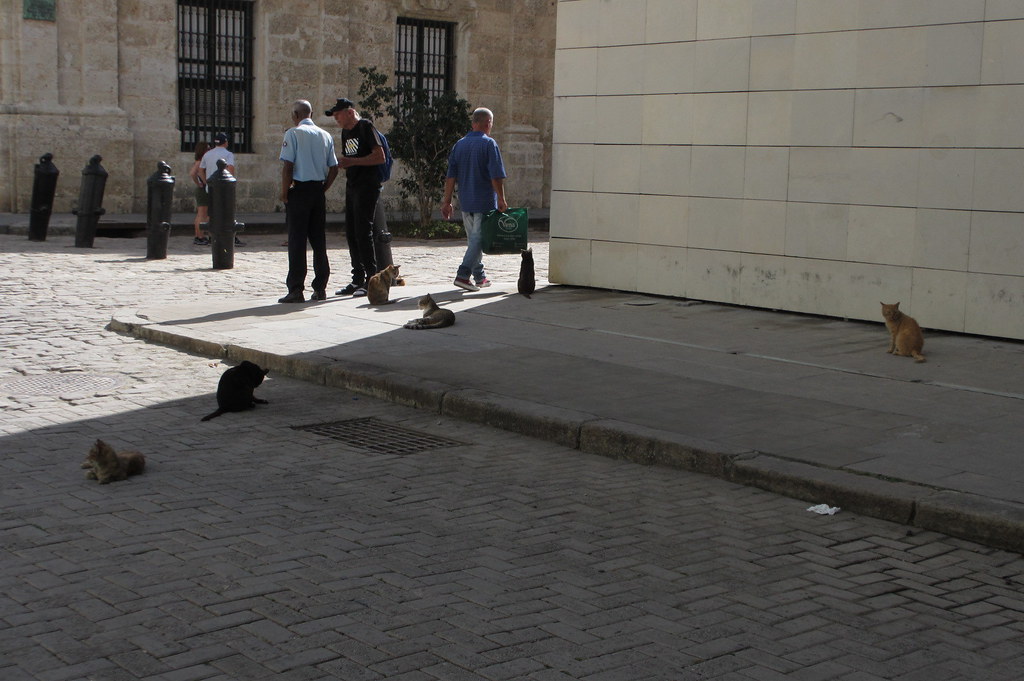
The oldest square, with the palace of the captains-general and the second-hand book market under the trees. Cats under the stalls and on the benches. Buy a book; the sellers feed them.
In the shade of the square. The book sellers know their names.Noelle Gillies, CC BY-SA 2.0 Plaza de la Catedral
Up the street to the baroque cathedral and the square in front of it, with the arcaded mansions on the other three sides. Cats in the arcades in the afternoon.
An arcade cat. The stone stays cool.Ina Macallan, CC BY 2.0 Calle Mercaderes and Bolívar
Along the restored merchants’ street to the little square with the statue of Simón Bolívar. The cat in the photograph on this page lives here, or one like it does.
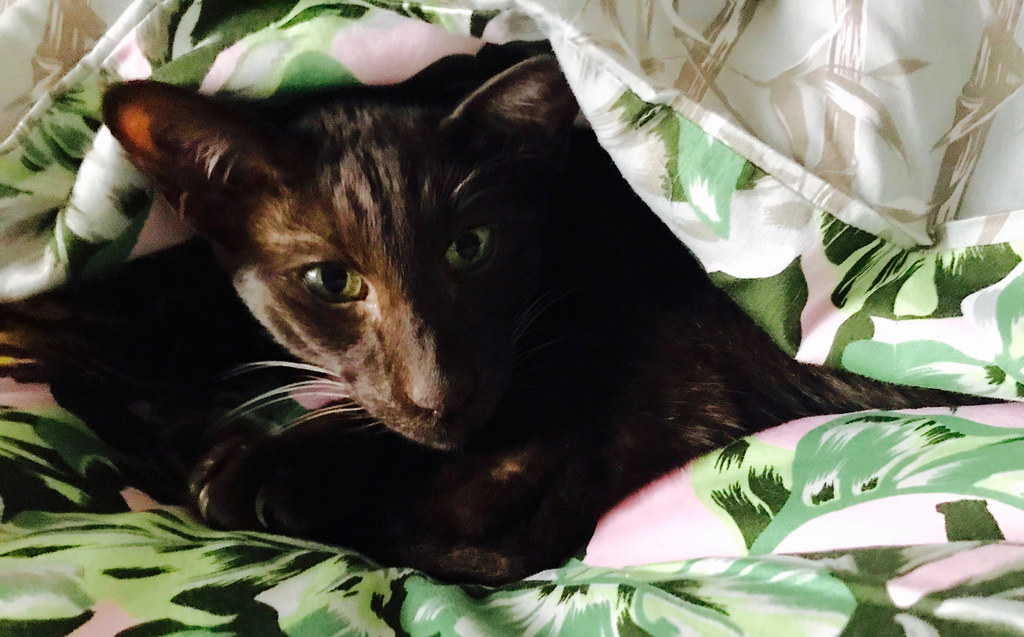
Mercaderes. The photographer called this one Fidel.sam.romilly, CC BY 2.0 Plaza Vieja
The last of the four, restored to its colours, with cafés in the arcades and a brewery on the corner. Cats under the café tables. Sit, and one will arrive.
Plaza Vieja. Under the table before you have ordered.Havanabrowngirl, CC BY 4.0
Same numbers as the list. Worth keeping open on your phone.
The cats you will meet
Cuban street cats: short-coated, lean, tabby and white and black, fed on rice and scraps and whatever a visitor brings, and remarkably calm for animals that have never had much. Sociable in the plazas, private in the doorways.
Plaza cats
Under the stalls and café tables.
Fed by the sellers and the waiters. Well known.
Doorway cats
In the entrances of the unrestored houses.
Somebody’s, in a shared house. Nod and move on.
Site cats
On the restoration scaffolding.
The builders feed them. They will be plaza cats when the block is done.
Everybody says Nobody in Cuba can afford to feed a street cat.
Actually Almost nobody can, and they do it anyway, with rice and patience. A bag of dry food handed to the woman at the corner is the best thing you can bring to Havana. Do it quietly.
How not to be the annoying one
- Give the food to a person who feeds, not to the cat. The person will make it last a month.
- Do not photograph the poverty. Photograph the cat.
- Tip the book sellers, the waiters and the feeders. Small notes go far.
- A cat in a doorway is in someone’s house. Do not go in.
- Things do not run on time here, including the cats. Sit down.